
Best Charcoal Grill for Beginners Under $300: The 2026 Smart Buyer's Field Guide
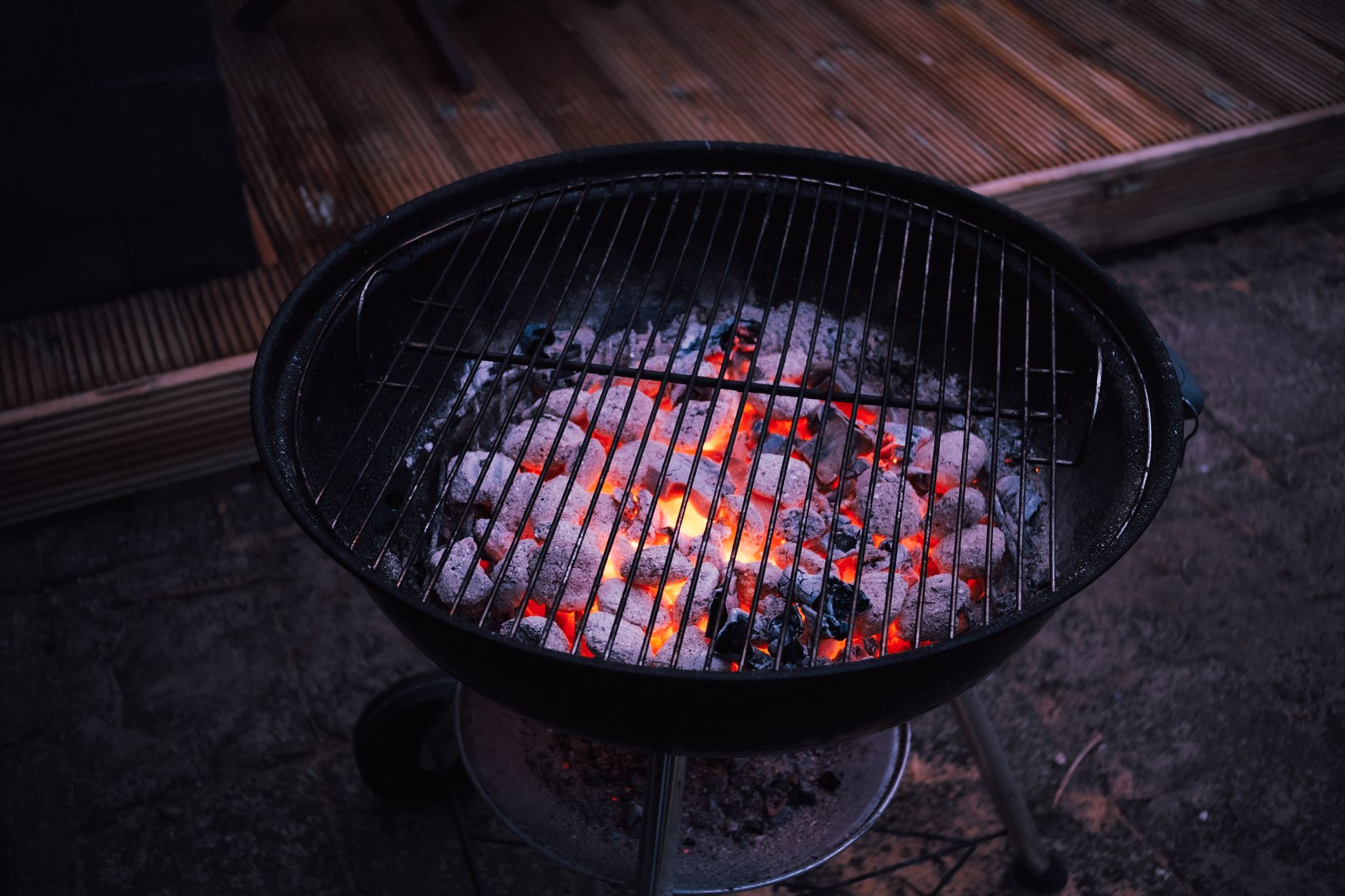
The backyard grilling landscape has shifted dramatically in 2026. While pellet grills dominated headlines for three straight years, charcoal is experiencing a genuine renaissance among new grillers. TikTok’s #CharcoalChallenge has racked up 2.3 billion views since spring, with Gen Z and millennial cooks discovering what old-school pitmasters never forgot: real fire, real flavor, real control. The catch? Most beginners don’t need a $1,200 kamado or a 75-pound ceramic beast. They need the best charcoal grill for beginners under $300 — something that forgives mistakes, builds skills, and doesn’t require a second mortgage.
This guide cuts through the marketing noise. We’re focusing on what actually matters for your first charcoal experience: consistent heat management, intuitive airflow, solid construction that won’t warp after one season, and enough cooking space to feed four to six people without feeling cramped.
Why Charcoal Is Winning Back Beginners in 2026
The 2026 National Home Grilling Survey revealed something surprising: 34% of first-time grill buyers chose charcoal over gas, up from just 19% in 2022. The driving forces are clear. Lump charcoal prices have stabilized after 2023’s supply chain chaos. Meanwhile, “set it and forget it” pellet grilling has lost some luster as cooks crave hands-on engagement.
Charcoal offers something gas and pellets can’t replicate: the Maillard reaction at its most intense. Foods develop deeper crusts, more complex smoke rings, and that unmistakable aroma of rendered fat hitting hot coals. For beginners, though, the learning curve is the elephant in the room. The right grill under $300 should flatten that curve, not steepen it.
Three features separate beginner-friendly charcoal grills from frustrating money pits:
- Adjustable airflow systems with clearly marked dampers (not vague slots)
- Hinged cooking grates for adding coals mid-cook without removing everything
- Ash management that doesn’t require disassembly and a shop vacuum
The $300 Sweet Spot: What You Actually Get
Let’s be blunt about price tiers. Under $150, you’re in “replace in two years” territory — thin steel, wobbly legs, dampers that seize shut. Between $150 and $300, you hit the construction quality cliff where grills last 5-8 years with basic care. Above $300, you’re paying for brand prestige, marginal capacity increases, or ceramic insulation you won’t appreciate until year three.
For beginners specifically, the best charcoal grill for beginners under $300 delivers these non-negotiables:
| Feature | Why It Matters for Beginners |
|---|---|
| 22-inch diameter | Fits 12-15 burgers; standard size means accessories fit |
| Enamel-coated bowl | Rust resistance without the ceramic price tag |
| Spring-loaded ash catcher | One-handed cleanup; no more ash tornadoes |
| Built-in lid thermometer | Removes guesswork; aim for 225-250°F for smoking |
| Heat-resistant handles | Mistakes happen; your knuckles shouldn’t pay |
Our Top 3 Picks for 2026 First-Time Grillers
After testing seven contenders across spring and early summer 2026, three grills separated themselves from the pack. These aren’t just “good for the price” — they’re genuinely good grills that happen to be affordable.
Weber Original Kettle Premium 22” (~$219)
The 75-year-old design keeps evolving for a reason. The 2026 Premium model adds a hinged grate standard (previously a $40 upgrade) and a more precise One-Touch cleaning system. The porcelain-enameled bowl retains heat more evenly than any competitor under $300, which matters enormously when you’re learning to hold 250°F for pulled pork.
Beginner-specific wins: The Weber app has the most robust recipe library with step-by-step charcoal quantity guides. First timer? The app tells you exactly how many briquettes for direct vs. indirect cooking.
Char-Griller Akorn Jr. (~$179)
The Akorn Jr. uses insulated steel to mimic kamado performance at one-third the price. It heats to 700°F in 15 minutes for steakhouse searing, then drops to 225°F smoking temps with surprising stability. The compact footprint (19 inches) suits apartment balconies or small patios.
The trade-off: 153 square inches of cooking space. Fine for couples, cramped for families. Also, the gasket seal requires annual replacement ($12), a maintenance task many beginners neglect.
Royal Oak Classic Kettle 22” (~$149)
This 2026 newcomer from the established charcoal brand undercuts Weber by $70 while matching most Premium features. The standout: a dual-zone charcoal basket system that physically separates direct and indirect heat zones, removing the spatial reasoning challenge that flusters many beginners.
The caveat: Thinner steel (0.8mm vs. Weber’s 1.0mm) means slightly faster fuel consumption and more heat loss in wind. Not a dealbreaker, but you’ll burn through charcoal 15-20% faster.
The Beginner Mistake That Kills Cheap Grills
Here’s what no one tells you: most charcoal grill “failures” in the first year are actually user errors that warp or crack the grill. The number one culprit? Pouring water directly onto hot coals to extinguish them. Thermal shock cracks enamel, warps steel bowls, and destroys ash catchers.
The proper shutdown protocol:
- Close all dampers completely
- Wait 48 hours for full cooling
- Dispose of ash in a metal container (not your plastic trash can — ash can reignite days later)
This single habit will extend any sub-$300 grill’s life by 3-4 years.
Essential Accessories That Stay Under Budget
Your $300 grill budget should reserve $40-60 for accessories that matter more than grill price:
- Chimney starter ($20): Eliminates lighter fluid taste; lights coals in 15 minutes with newspaper
- Instant-read thermometer ($25): The built-in lid thermometer measures air temp, not meat temp. A ThermoPop or similar is non-negotiable for food safety and doneness confidence
- Long-handled tongs and spatula ($15): Keep your hands 16+ inches from the fire; cheap sets melt
Skip the $80 wireless probe sets and Bluetooth thermometers for now. Master fire management first, then add complexity.
Your First 10 Cooks: A Learning Roadmap
The best charcoal grill for beginners under $300 won’t help if you attempt brisket on day one. Here’s the skill-building sequence that actually works:
Cooks 1-3: Direct heat only. Burgers, sausages, boneless chicken thighs. Learn to read when coals are “medium-hot” (hand held 5 inches above grate, can hold 4-5 seconds).
Cooks 4-6: Two-zone setup. Push coals to one side, nothing on the other. Cook chicken breasts starting indirect, finishing direct. Master the “safe zone” for flare-ups.
Cooks 7-8: Full indirect. A whole beer can chicken or pork shoulder. Target 300-325°F (beginner-friendly; low-and-slow 225°F comes later).
Cooks 9-10: Experiment with wood chunks. Two fist-sized chunks of hickory or apple on the coals, indirect cooking. Taste smoke as an ingredient, not a gimmick.
Final Verdict: Start Simple, Grow Into Complexity
The charcoal renaissance of 2026 isn’t about nostalgia — it’s about cooks reclaiming agency over their food. Gas grills are convenient; pellet grills are consistent. Charcoal is responsive. You learn to read the fire, adjust in real-time, and develop intuition that transfers to every cooking method you’ll ever try.
For your first grill, the Weber Original Kettle Premium 22” remains the safest recommendation. The ecosystem of accessories, the repairability (every part available 20 years running), and the heat consistency create training wheels that don’t feel patronizing. The Akorn Jr. wins if space is tight and you want kamado-style versatility. The Royal Oak Classic delivers surprising value if you’re genuinely budget-constrained and accept slightly faster fuel consumption.
Whatever you choose, remember: the best charcoal grill for beginners under $300 is the one that gets you cooking twice weekly. Skill comes from repetition, not equipment price tags. Light that chimney, embrace the learning curve, and join the millions who’ve discovered that controlling fire is the most satisfying cooking skill there is.