Flat Top Griddle vs Gas Grill: The Ultimate Backyard BBQ Showdown
You’re standing in the outdoor cooking aisle, or maybe scrolling through endless reviews, and the same question keeps popping up: flat top griddle vs gas grill—which one actually deserves a spot on your patio? It’s not just a matter of brand loyalty or price. These two cookers deliver completely different experiences, flavors, and even weekly routines. I’ve cooked on both for years, from tailgate breakfasts to low-and-slow ribs, and I’m here to walk you through the real differences so you can stop second-guessing and start cooking.
By the time you finish reading, you’ll know exactly which style fits your backyard BBQ vision—and you might even discover a few reasons to own both.
What Makes a Flat Top Griddle Unique?
A flat top griddle is exactly what it sounds like: a large, flat, solid steel cooking surface heated from below by gas burners. There are no grates, no open flames licking your food, and no gaps for small ingredients to fall through. Popular models like the Blackstone 36-inch or Camp Chef FTG600 have turned this once-commercial kitchen staple into the fastest-growing category in outdoor cooking.
The magic is in the continuous cooking surface. You can sizzle a pile of onions next to a dozen smash burgers, flip pancakes while bacon crisps on the cooler zone, and toss fried rice without a wok. Because the entire plate is usable, a 36-inch griddle typically gives you over 700 square inches of cooking real estate—enough to handle 28 regular-sized burgers at once. That’s more than most three-burner gas grills.
Griddle cooking is also incredibly forgiving for delicate foods. Eggs, fish fillets, and hash browns that would crumble through grill grates stay intact. And when you dial in the seasoning (that thin layer of polymerized oil baked into the steel), you get a naturally non-stick surface that only improves with use.
The Classic Gas Grill: Tried and True
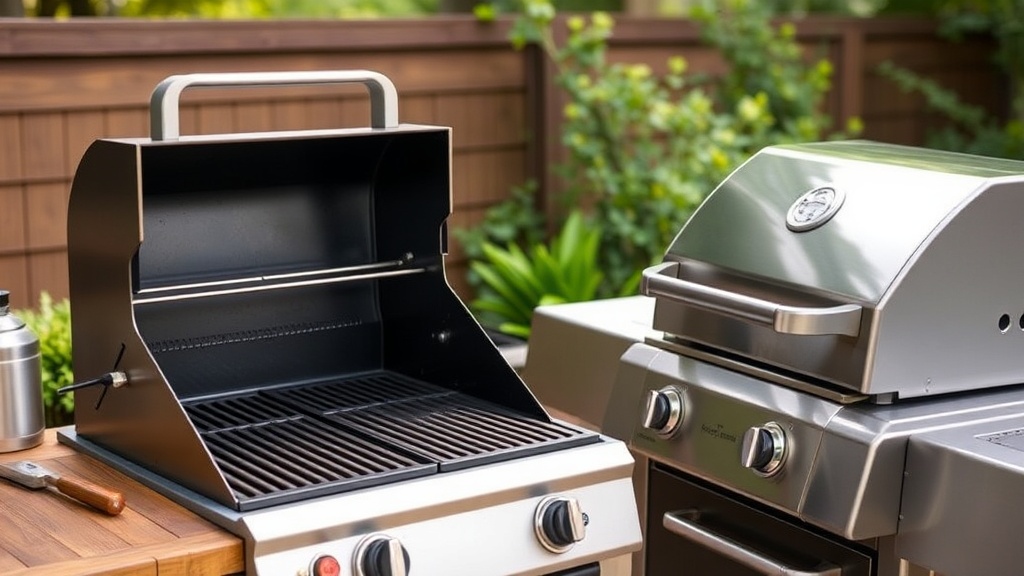
On the other side of the ring, the gas grill has been the backbone of backyard cooking for decades. A gas grill uses open burners beneath porcelain-coated cast iron or stainless steel grates. The flames create direct, radiant heat, and the gaps between grates allow fat to drip down, vaporize, and rise back up as that signature smoky, charred flavor.
A solid three-burner gas grill like the Weber Spirit E-310 offers around 500 square inches of primary cooking area, plus a warming rack. You can sear a steak at 600°F, roast a whole chicken with indirect heat, or even add a smoker box for extra wood-fired taste. The grill marks, the smoky aroma, and the ritual of flipping burgers over an open flame are deeply ingrained in what we think of as “BBQ.”
Gas grills also excel at versatility through accessories—rotisserie kits, pizza stones, and griddle inserts turn your grill into a multi-tool. But the core experience is still about managing open flames, flare-ups, and hot spots that demand your attention.