Grilled Vegetables Without Falling Through Grates: 7 Proven Methods for 2026
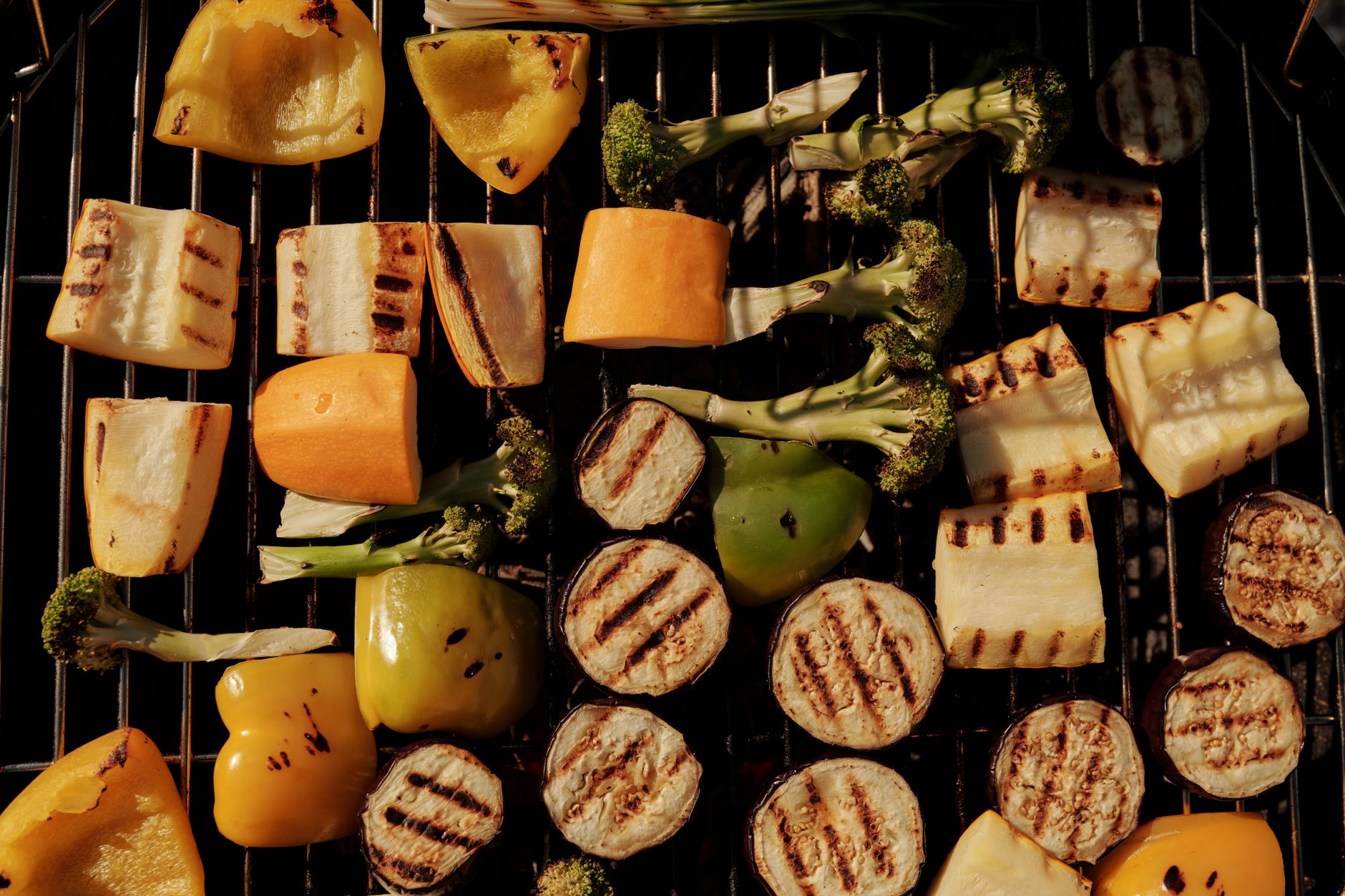
The plant-forward grilling movement just hit a tipping point. In 2026, sales of vegetable-focused grilling cookbooks are up 34% year-over-year, and major grill manufacturers are finally releasing narrower grate options designed specifically for produce. Yet walk through any neighborhood on a Saturday evening and you’ll still hear the same frustrated shout: “There goes another one!” — followed by a mushroom tumbling into the flames.
If you’ve ever watched perfectly marinated zucchini slices or slender asparagus spears slip through your grates and vanish into charcoal hell, you’re not alone. Learning to make grilled vegetables without falling through grates isn’t about buying a new grill. It’s about understanding the physics of what happens to produce over live fire and applying the right technique for each vegetable’s personality.
Why Vegetables Betray You on the Grill
Here’s the science that nobody talks about. Most grill grates are spaced ½ to ¾ inch apart — designed for steaks, not slender produce. When vegetables heat, three things happen simultaneously: they soften structurally, release moisture that lubricates their surface, and shrink slightly as cell walls break down. That combination is basically a greased slide pointing straight into your coals.
Water content matters enormously. A zucchini is 95% water. A portobello mushroom cap is 92%. Compare that to a beef burger at roughly 60%, and you understand why your vegetables are essentially self-basting their own escape route.
The solution isn’t one-size-fits-all. Different vegetables demand different approaches based on their shape, density, and how you want them to finish.
Method 1: The Diagonal Cut That Changes Everything
This is the free technique that instantly solves 40% of your falling problems. Instead of cutting vegetables into coins or rounds that can tilt and slip, cut on a severe diagonal — almost lengthwise — creating elongated oval surfaces.
For asparagus, leave the stalks whole but select thicker spears (pencil-thick or more). For zucchini and summer squash, slice on a 45-degree angle into planks roughly ¼-inch thick. These elongated pieces physically cannot rotate and fall through; they bridge the grate gaps.
Pro tip: Brush cut surfaces with oil after slicing, not before. Pre-oiled vegetables slide more easily. The oil should seal and season, not lubricate their escape.
Method 2: Grill Baskets and Mats — Choose Your Weapon
The 2026 market is flooded with options, but two categories actually deliver for grilled vegetables without falling through grates.
Perforated grill baskets (the ones with ¼-inch holes) allow direct flame contact and charring while containing everything. The best new models from Grillaholics and Weber feature raised edges and locking lids — essential for flipping without sending food flying. Expect to spend $22-35 for a quality basket that lasts multiple seasons.
Silicone and mesh grill mats are the gentler option. These thin, non-stick sheets lay directly on your grates, creating a solid cooking surface with tiny perforations for smoke penetration. The trade-off: you sacrifice some char and grill marks. New PTFE-free ceramic mats hitting the market in 2026 address health concerns about older Teflon-style products.
My recommendation: use baskets for dense vegetables where you want char (potatoes, cauliflower, onions). Use mats for delicate, high-water items (tomatoes, soft squash, sliced mushrooms).
Method 3: The Skewer Strategy Most People Botch
Threading vegetables onto skewers seems obvious, yet most home cooks execute it poorly. The mistake? Packing pieces too tightly, which steams rather than grills, or using single-prong skewers that let food spin freely.
Flat metal skewers prevent rotation — critical for getting even char on all sides. Space pieces ⅛-inch apart; this gap is narrow enough to prevent slipping but wide enough for heat circulation. For mixed vegetable skewers, group by density: peppers with onions, zucchini with summer squash, mushrooms with cherry tomatoes. Otherwise, your mushrooms will be charcoal while your peppers are still raw.
Double-skewer technique for anything prone to rolling: run two parallel skewers through asparagus bundles or slender green beans. It creates a stable raft that lifts cleanly and never rotates unexpectedly.
Method 4: The Aluminum Foil Boat (Not Packet)
Foil packets are the lazy approach. They steam vegetables in their own juices, producing soft, pale results. The foil boat is different — and transformative.
Tear a 12-inch sheet of heavy-duty foil. Fold up the edges to create a 1-inch rim, but leave the top completely open. Poke 6-8 holes in the bottom with a skewer. Place this directly on your grates.
The result: vegetables cook with some protection from falling, but smoke and flame lick through the holes for genuine grilled flavor. Best for: cherry tomatoes, sliced mushrooms, small Brussels sprouts halved, diced eggplant. You’re essentially creating a custom grill pan with built-in drainage.
Method 5: Grill Grates and Cast Iron Inserts
If you’re grilling vegetables weekly, invest in a grill grate insert — a secondary surface that lays atop your existing grates. The 2026 standout is the GrillGrate brand’s “Veggie Panel,” a solid aluminum surface with raised rails that delivers sear marks while the valleys collect released moisture and prevent sticking.
Alternatively, a cast iron grill pan or griddle placed directly on your grill accomplishes the same. Preheat it with the grill for 10 minutes; the retained heat gives vegetables the Maillard reaction (browning) that makes grilled food taste grilled, not boiled.
The cast iron approach shines for: sliced onions, halved radicchio, fennel wedges, and anything you want genuinely caramelized rather than simply char-striped.
Method 6: The Pre-Grill Treatment That Builds Structure
Some vegetables benefit from partial cooking before they ever touch grates. This sounds like extra work, but it’s often the difference between success and sacrifice.
Salt and rest: Toss sliced eggplant or zucchini with kosher salt, let drain 30 minutes, then pat dry. The salt draws out moisture, firms cell structure, and reduces the slippery factor dramatically.
Quick blanch: Boil green beans, broccoli florets, or cauliflower for 90 seconds, then ice-shock. They’ll be partially tenderized and less likely to break apart on the grill, while still accepting char and smoke.
Marinate with intention: Acid-based marinades (vinegar, citrus) can soften vegetables excessively. For items prone to falling, use oil-based marinades with herbs and spices, adding acid only in the final 10 minutes if desired.
Method 7: The Grate Orientation Trick
This costs nothing and takes 10 seconds. Before heating your grill, rotate your grates 90 degrees so the bars run parallel to your most troublesome vegetables.
For asparagus laid perpendicular to grate bars, each spear has dozens of failure points. Laid parallel, the entire length rests supported. The same applies to green beans, scallions, and any long, slender produce. You’ll sacrifice crosshatch marks, but you’ll keep dinner out of the fire.
Combine this with the diagonal cut technique, and even slender vegetables become stable enough to grill confidently without accessories.
Putting It Together: Your 2026 Vegetable Grilling System
Grilled vegetables without falling through grates isn’t about mastering one technique. It’s about matching method to vegetable, then building confidence through repetition.
For quick weeknight grilling: diagonal cuts + parallel grate orientation handles most situations with zero extra equipment.
For entertaining and variety: invest in one quality grill basket and one cast iron griddle. These two tools, combined with the cutting and preparation techniques above, cover 95% of vegetable grilling scenarios.
For the dedicated plant-forward griller: the full arsenal — basket, mats, flat skewers, foil boats, and grill inserts — gives you options for every texture and desired outcome.
The 2026 grilling season belongs to vegetables done right. No more watching dinner disappear into the coals. No more accepting steamed, foil-wrapped mediocrity. Just smoke, char, and produce that actually makes it to the plate.