How to Smoke Chuck Roast: The 2026 'Poor Man's Brisket' Masterclass
As beef prices continue their stubborn climb through 2026, pitmasters across the country are staging a quiet revolution at the meat counter. While brisket hovers near luxury status, the humble chuck roast—once relegated to slow cookers and Sunday pot roasts—is having its moment in the smoke. Learning how to smoke chuck roast isn’t just a budget hack anymore; it’s become the definitive skill for home cooks who want competition-level beef flavor without the three-figure price tag.
The beauty of chuck roast lies in its deception. Cut from the shoulder, it carries the same intramuscular fat and connective tissue that makes brisket legendary, yet it cooks in nearly half the time and forgives the occasional temperature spike. Whether you’re feeding a crowd during tailgate season or meal-prepping for the week, this guide will transform you from a chuck roast skeptic into a shoulder-cut evangelist.
Selecting and Prepping Your Chuck Roast
Not all chuck roasts are created equal. Look for a 3 to 4-pound chuck eye roast or 7-bone roast with heavy marbling—those white flecks of fat are your insurance policy against dry meat. Avoid “select” grades; you need at least “choice” grade beef to ensure enough intramuscular fat for the long smoke.
The Trim: Unlike brisket, chuck roast needs minimal trimming. Remove any thick exterior fat caps thicker than ¼ inch, but leave the silver skin alone—it renders beautifully and helps the meat hold together during the cook.
The Binder and Rub: Slather the roast with yellow mustard or hot sauce (you won’t taste it, but it helps the bark adhere). For the rub, keep it simple: 2 parts coarse black pepper, 1 part kosher salt, and 1 part garlic powder. This “Dalmatian rub” lets the beef flavor shine while building that coveted dark bark. Let it sit at room temperature for 45 minutes while your smoker comes up to temp—this takes the chill off and promotes even cooking.
Setting Up Your Smoker for Success
Temperature control separates the amateurs from the pitmasters. For chuck roast, you want a consistent 250°F (121°C)—hot enough to render fat efficiently, low enough to break down collagen without drying the exterior.
Wood Selection: Chuck roast pairs beautifully with oak or hickory for a classic Texas profile, or cherry wood if you want a sweeter, mahogany-colored bark. Avoid mesquite; its intensity overpowers the delicate beef flavor in shorter cooks.
The Water Pan Debate: If you’re using an offset or charcoal smoker, place a water pan beneath the grate. Chuck roast has less fat than brisket, so the extra humidity prevents the exterior from drying out during the first three hours. Pellet grill users can skip this—modern pellets provide enough moisture.
Placement: Position the roast fat-side up. As the fat renders, it bastes the meat naturally, creating a self-basting environment that keeps the interior juicy.
The Smoking Process: Time, Temperature, and the Stall
Here is where how to smoke chuck roast diverges from other beef cuts. You’re looking at roughly 1.5 to 2 hours per pound, but time is merely a suggestion—internal temperature is the law.
Phase One (0-3 hours): Smoke undisturbed until the internal temperature hits 160°F (71°C). This is when the magic happens: the rub sets into a bark, and the meat absorbs that clean smoke flavor. Resist the urge to open the lid; every peek adds 15 minutes to your cook.
The Stall (160-170°F): Around 160°F, the roast will hit the dreaded stall—evaporative cooling that can hold the temperature steady for hours. This is collagen breaking down into gelatin, so don’t panic. You have two options:
- The Texas Crutch: Wrap tightly in butcher paper (preferred) or aluminum foil with a splash of beef broth. This powers through the stall and braises the meat, resulting in pot roast tenderness with smoky flavor.
- The Naked Truth: Leave it unwrapped for maximum bark development, but budget an extra 60-90 minutes of cook time.
Phase Two (The Finish): Continue cooking until the internal temperature reaches 203-205°F (95-96°C). Probe the meat—it should slide in like warm butter with zero resistance. If you’re making pulled beef sandwiches, take it to 208°F. For sliced roast, pull it at 200°F.
Slicing, Serving, and Storage
Resting is non-negotiable. Wrap the finished roast in a towel and place it in a dry cooler for at least 1 hour, up to 3 hours. This allows the juices to redistribute; cutting too early sends all that moisture onto your cutting board instead of your guests’ plates.
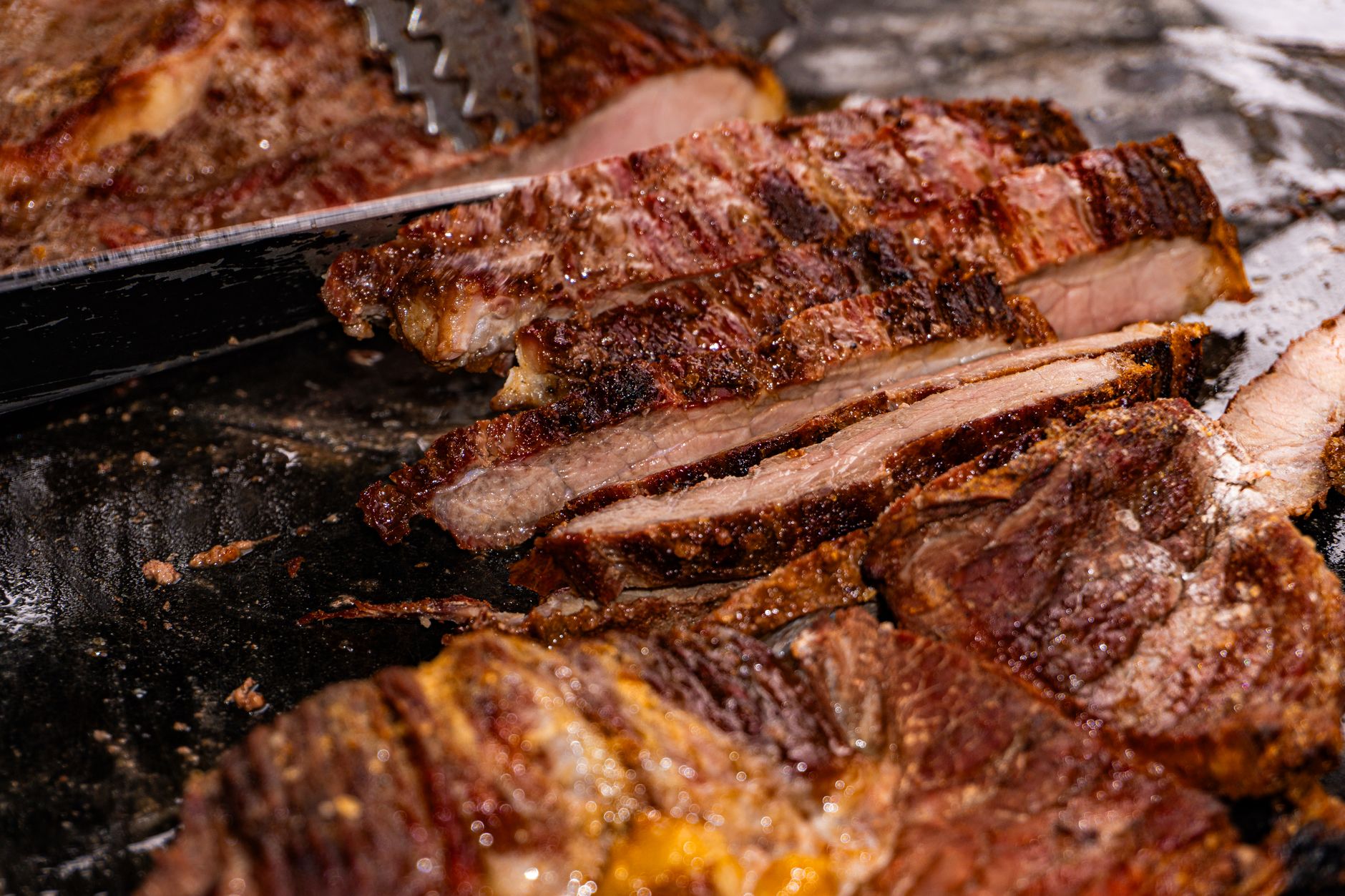
Slicing Technique: Chuck roast has multiple muscle groups running in different directions. Identify the grain, then slice against it into ¼-inch thick slices. If the meat is falling apart (common at 205°F+), embrace it—chop it for sandwiches or tacos.
Serving Suggestions for 2026:
- Classic: Sliced with pickled red onions and white bread
- Modern: Chopped and stuffed into smoked mac and cheese
- Fusion: Shredded for Korean BBQ tacos with kimchi slaw
Leftovers keep for 4 days refrigerated or 3 months frozen. Vacuum-seal individual portions with a spoonful of the resting juices to reheat without drying out.
Troubleshooting Common Chuck Roast Mistakes
Even seasoned pitmasters stumble with shoulder cuts. Here’s how to recover:
Problem: The meat is tough at 190°F. Solution: You’re in the “danger zone” of doneness. Keep cooking. Chuck roast isn’t done until it probes tender, usually between 200-205°F. If the exterior is getting too dark, wrap it immediately.
Problem: The bark is mushy. Solution: You wrapped too early or used foil instead of paper. Next time, wait until the bark is dark mahogany (not just brown) before wrapping, and use pink butcher paper to preserve texture.
Problem: It tastes like pot roast, not BBQ. Solution: You likely wrapped with too much liquid or cooked at too low a temperature. Chuck roast needs that 250°F sweet spot to develop a true smoke ring and bark. If you want smoke flavor without the braise, skip the wrap entirely and budget extra time.
Conclusion
Mastering how to smoke chuck roast is the ultimate flex for 2026’s economic grilling landscape. It respects your wallet without sacrificing the primal satisfaction of transforming tough collagen into silky, smoky perfection. This cut proves that great barbecue isn’t about the price of the meat—it’s about patience, temperature control, and understanding how heat transforms muscle into magic.
Fire up your smoker this weekend. Grab that chuck roast that’s been sitting in the butcher case looking humble, and show it what low and slow really means. Your bank account—and your taste buds—will thank you.