How to Smoke Cornish Hens: The 2026 Guide to Juicy, Crispy-Skinned Birds
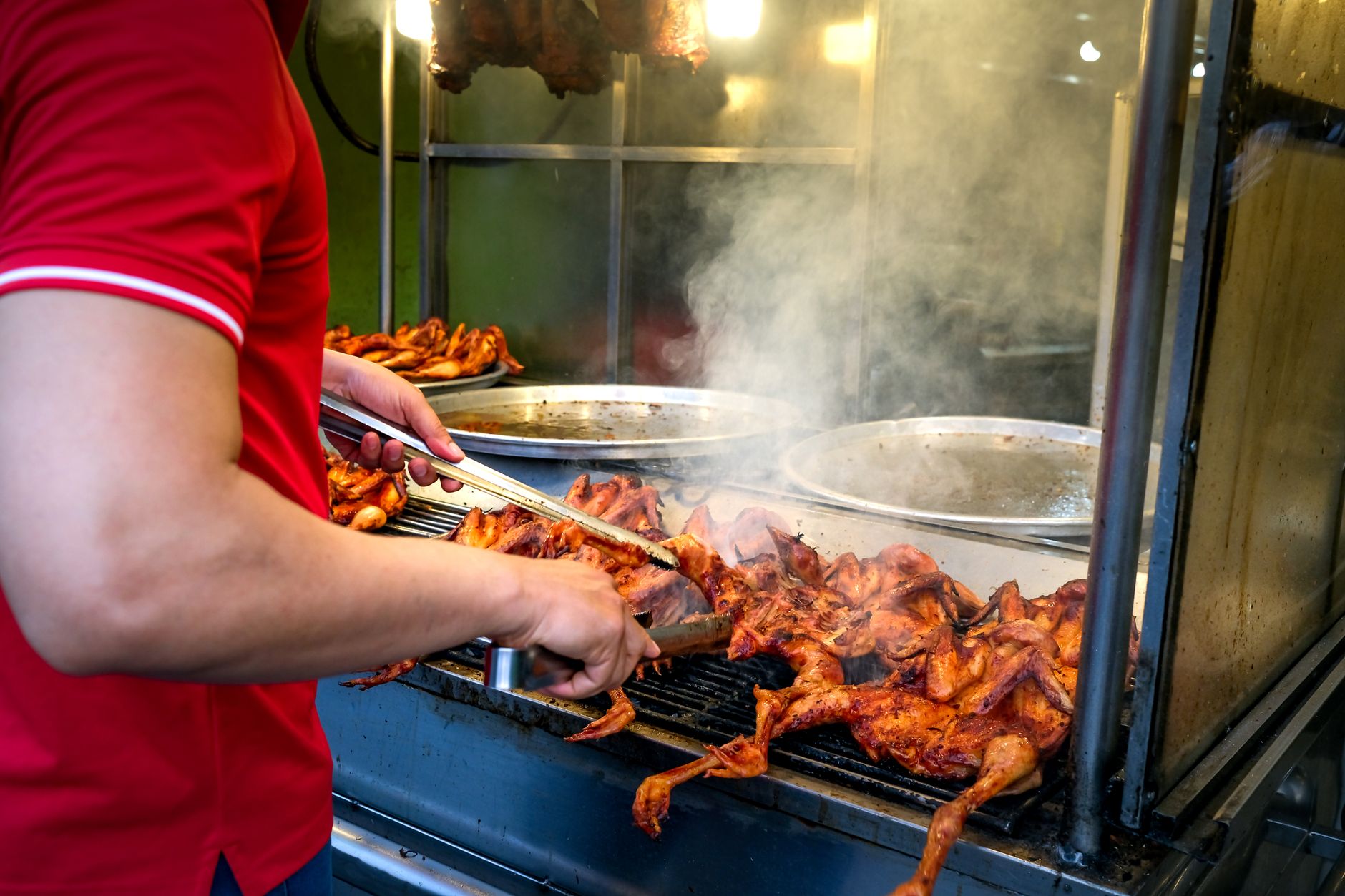
While everyone else is fighting over the last frozen turkey this October, smart pitmasters are quietly revolutionizing their holiday game with a smaller, smarter bird. Learning how to smoke Cornish hens is the ultimate 2026 power move—individual portions, zero carving drama, and a smoke-to-table time that respects your Saturday. These little chickens pack massive flavor potential into a compact package, and when you nail the technique, you get skin that shatters like glass and meat that drips with juice.
Cornish hens aren’t just tiny chickens; they’re a specific hybrid breed (usually a Cornish and White Rock cross) harvested young for tenderness. Because they weigh in at just 1 to 2 pounds each, they absorb smoke faster than a brisket flat and cook in a fraction of the time. Whether you’re feeding two people or hosting a dinner party where everyone gets their own bird, this guide delivers the exact temps, timing, and wood pairings you need.
Why Cornish Hens Are the Dark Horse of 2026 BBQ
Right now, the biggest trend in outdoor cooking is “micro-feasting”—impressive, restaurant-quality proteins that don’t require a 12-hour commitment. Cornish hens fit perfectly into this movement. They’re showing up on competition circuits as a chicken category alternative, and home cooks are realizing that smoking two hens takes roughly the same effort as smoking one whole chicken, but with double the crispy skin surface area.
The economics make sense too. While beef prices remain volatile, Cornish hens typically run $4-6 per bird. You can smoke four hens for the cost of one decent brisket, feed eight people, and still have room on your grate for sides. Plus, they’re naturally portion-controlled, which means no more dry leftover turkey sandwiches haunting your fridge for a week.
Selecting and Prepping Your Birds
Start with birds that are roughly the same size—this ensures even cooking. Look for hens with intact skin and no punctures; the skin is your barrier against dryness and your canvas for flavor. If you’re buying frozen, allow 24 hours of thawing in the refrigerator for every 1.5 pounds.
The Spatchcock Advantage
While you can smoke these whole, spatchcocking (removing the backbone and flattening) is the pro move for 2026. It exposes more skin to direct heat, reduces cooking time by 20-30%, and eliminates the dreaded “rubbery skin” that plagues whole smoked poultry. Here’s the quick method:
- Place the bird breast-side down on your cutting board
- Using sharp kitchen shears, cut along both sides of the backbone and remove it
- Flip the bird over and press firmly on the breastbone until you hear a crack
- Tuck the wing tips behind the shoulders to prevent burning
Dry Brine for Crispy Skin
Wet brining is out for poultry skin; dry brining is in. Mix 1 tablespoon of kosher salt per bird with 1 teaspoon of baking powder (the secret weapon for crackling skin). Rub this under the skin and over the surface, then refrigerate uncovered for 4-12 hours. The salt penetrates the meat while the baking powder raises the skin’s pH, breaking down proteins for maximum crispiness.
The Smoking Process: Temps, Times, and Wood
Forget the low-and-slow 225°F approach you use for pork shoulder. Cornish hens need higher heat to render the fat and crisp the skin before the meat dries out. Target 275-300°F on your smoker. This hits the sweet spot: enough smoke absorption without turning the skin into leather.
Wood Selection for Poultry
Cornish hens have delicate meat that can be overwhelmed by heavy smoke. Stick with fruit woods or mild hardwoods:
- Apple or Cherry: Sweet, mild smoke that complements the natural flavor
- Pecan: Slightly stronger than fruit woods but still poultry-friendly
- Avoid: Mesquite or hickory alone—they’ll make your birds taste like ashtrays
The Cook
Place your spatchcocked hens skin-side up on the grate. Insert a leave-in thermometer into the thickest part of the breast, avoiding bone. Smoke until the breast hits 160°F and the thighs register 175-180°F—usually 60 to 90 minutes depending on bird size and your smoker’s airflow.
Here’s where most people fail: they pull at 165°F breast temp and end up with dry meat. The carryover cooking will bring the breast to a safe 165°F while the thighs finish rendering. If you want competition-level results, baste with melted butter mixed with a squeeze of lemon juice during the last 15 minutes.
Flavor Profiles That Actually Work in 2026
Basic salt and pepper is fine, but these birds can handle bold flavors if you build them correctly. The key is applying rubs under the skin where they’ll actually contact the meat, not just sitting on the surface.
Mediterranean Herb: Mix dried oregano, thyme, garlic powder, lemon zest, and olive oil. Rub under the skin and smoke with a chunk of olive wood if you have it. Finish with flaky sea salt and fresh lemon juice.
Maple-Bourbon Glaze: During the last 20 minutes of cooking, brush with a reduction of maple syrup, bourbon, and a dash of soy sauce. The sugars caramelize into a sticky glaze that pairs beautifully with cherry wood smoke.
Spicy Cajun: Apply a Cajun rub with smoked paprika, cayenne, and onion powder. Smoke with pecan wood and serve with remoulade for a Louisiana twist that’s trending hard this year.
Troubleshooting Common Cornish Hen Mistakes
Rubbery Skin: Your smoker temp was too low, or you didn’t dry-brine. If you’re stuck with rubbery skin, finish the birds under your oven broiler for 2-3 minutes—watch them like a hawk.
Dry Breast Meat: You cooked to 165°F in the smoker instead of pulling at 160°F. Remember, these are small birds; they don’t have the thermal mass of a turkey to coast up 10 degrees.
Uneven Cooking: You didn’t spatchcock, or your smoker has hot spots. Rotate the birds 180 degrees halfway through the cook if your heat source is uneven.
Conclusion: Your New Signature Move
Mastering how to smoke Cornish hens gives you a versatile weapon for everything from date nights to holiday centerpieces. They’re forgiving enough for beginners but impressive enough to serve at your next dinner party. Fire up your smoker to 275°F, grab a couple of birds, and discover why 2026 is the year of the personal-sized poultry revolution. Your guests get their own bird, you get your weekend back, and everyone wins.