How to Smoke Fish: The 2026 Guide to Brines, Temps, and Perfect Flakes
Smoked fish is having a serious moment right now. Between the tinned fish renaissance that took over social feeds and the surge in home anglers looking to preserve their fall catch, more backyard cooks than ever are learning how to smoke fish on their own grills and smokers. And honestly? It’s about time. Smoked fish is one of the most rewarding things you can pull off a smoker — silky, flaky, deeply flavorful, and surprisingly forgiving once you understand a few core principles.
Whether you’re working with a side of salmon from the grocery store or a stringer of trout from last weekend’s trip, this guide walks you through everything: choosing the right fish, building a brine that actually works, dialing in your temperature, and knowing exactly when to pull it off the heat.
Why Fish Is the Perfect Starter Smoke
If you’ve been intimidated by 14-hour brisket cooks, fish is your gateway. Most fillets smoke in 1 to 3 hours, which means you can do a full cook on a Saturday afternoon and still have dinner on the table by six.
Fish also teaches you the fundamentals that carry over to bigger cuts:
- Temperature discipline — fish punishes you fast if your smoker runs hot
- Smoke management — delicate flesh absorbs smoke quickly, so you learn what “clean smoke” really looks like
- Moisture control — the brine-and-dry process is the same logic behind great bark on brisket
Plus, the cost of entry is low. A pound of salmon or a couple of whole trout won’t wreck your grocery budget the way a prime packer brisket will if things go sideways.
Choosing the Right Fish (and Prepping It Right)
Not every fish smokes equally well. You want oily, firm-fleshed fish that can handle low heat without drying into cardboard.
Best candidates for smoking:
- Salmon — the undisputed king; high fat content keeps it moist
- Trout — mild, affordable, and widely available
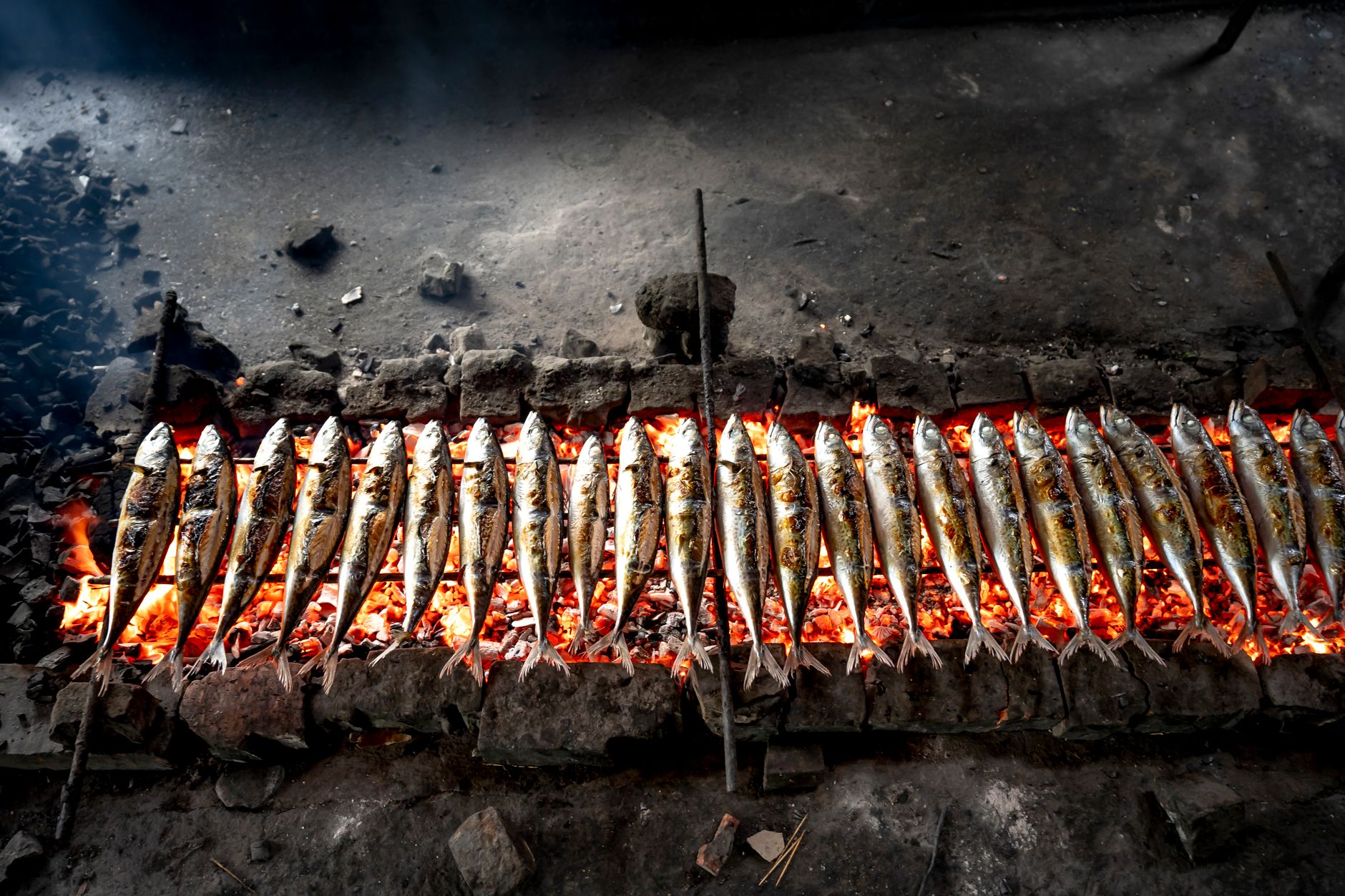
- Mackerel — rich and oily; a favorite in European smoke traditions
- Whitefish — a Great Lakes classic
- Steelhead — essentially a salmon stand-in at a lower price point
Lean fish like cod or tilapia can be smoked, but they dry out fast and are better suited to hot smoking at higher temps with shorter cook times.
Prep matters more than you think. Leave the skin on — it acts as a protective barrier between the flesh and the grates, and it makes transferring the fish infinitely easier. Pin-bone your fillets with tweezers, and if you’re smoking whole fish, make sure they’re gutted, scaled, and scored lightly along the sides so smoke and brine penetrate evenly.
The Brine: Where the Magic Happens
Here’s the step most beginners skip — and the one that separates rubbery, bland fish from the stuff people rave about. Brining does three things: it seasons the flesh all the way through, it firms up the texture, and it helps the fish retain moisture during the cook.
A reliable basic wet brine for 2-3 pounds of fish:
- 4 cups cold water
- 1/4 cup kosher salt
- 1/4 cup brown sugar
- 2 bay leaves, cracked pepper, and a smashed garlic clove (optional)
Submerge the fish completely and refrigerate — 4 to 8 hours for fillets, up to 12 for thicker cuts or whole fish. Don’t over-brine; you’ll end up with something closer to lox than barbecue.
The step nobody talks about: the pellicle. After brining, rinse the fish briefly, pat it dry, and set it on a rack in the fridge — uncovered — for 2 to 4 hours. The surface will develop a slightly tacky sheen called a pellicle. This sticky layer is what smoke actually clings to, and it’s the difference between fish that tastes gently kissed by smoke and fish that tastes like a campfire. Skip it, and no amount of expensive wood will save you.
How to Smoke Fish: Temperature, Wood, and Timing
Now for the main event. When people ask how to smoke fish, the answer almost always comes down to temperature control — because fish lives in a narrow window.
Target smoker temp: 180–225°F. The sweet spot for most fillets is right around 200°F. Any hotter and the proteins seize up, squeezing out moisture and leaving you with that white albumin ooze on the surface (a little is normal; a flood means you’re running hot).
Internal temp target: 140–145°F. Pull the fish when the thickest part hits 140°F and let carryover heat finish the job. The flesh should flake easily with a fork but still look glossy, not chalky.
Wood selection — go light:
- Alder — the traditional Pacific Northwest choice for salmon; delicate and slightly sweet
- Apple or cherry — mild fruit woods that complement without overpowering
- Maple — subtle sweetness, great with trout
Avoid mesquite and go easy on hickory. Fish absorbs smoke like a sponge, and heavy woods will bulldoze the delicate flavor in under an hour. On a pellet grill, a competition blend with a fruit-wood base works beautifully.
Rough timing guide at 200°F:
- Thin fillets (under 1 inch): 60–90 minutes
- Thick salmon fillets or sides: 2–3 hours
- Whole trout: 1.5–2 hours
Resist the urge to flip. Skin-side down, lid closed, and let the smoker do its job. If you want a glaze — maple syrup, honey, or a thin layer of Dijon — brush it on during the last 30 minutes so it sets without burning.
Hot Smoke vs. Cold Smoke: Know the Difference
A quick but important distinction. Everything above describes hot smoking, which cooks the fish while flavoring it — the result is flaky and ready to eat. Cold smoking happens below 90°F and produces the silky, sliceable texture of Nova salmon — but it requires curing the fish first and precise temperature control to stay food-safe. For your first several smokes, stick with hot smoking. Master it, then explore cold smoking once you understand how your rig behaves.
Your Next Steps
Learning how to smoke fish is one of the highest-return skills in outdoor cooking — a couple of hours, a simple brine, and a handful of alder pellets turn an ordinary fillet into something genuinely impressive. Start this weekend with a salmon side, a basic brown-sugar brine, and an overnight pellicle rest in the fridge. Keep your smoker at 200°F, pull at 140°F internal, and taste the difference that patience makes.
Once you’ve nailed salmon, branch out: try whole trout, experiment with a maple glaze, or smoke a batch of mackerel for the best fish dip your tailgate has ever seen. And if you’re looking to level up your smoker setup for delicate cooks like this, check out our other guides on temperature control and wood selection — your fish will thank you.