How to Smoke Pork Shoulder Overnight: The 2026 Set-and-Forget Method for Perfect Pulled Pork
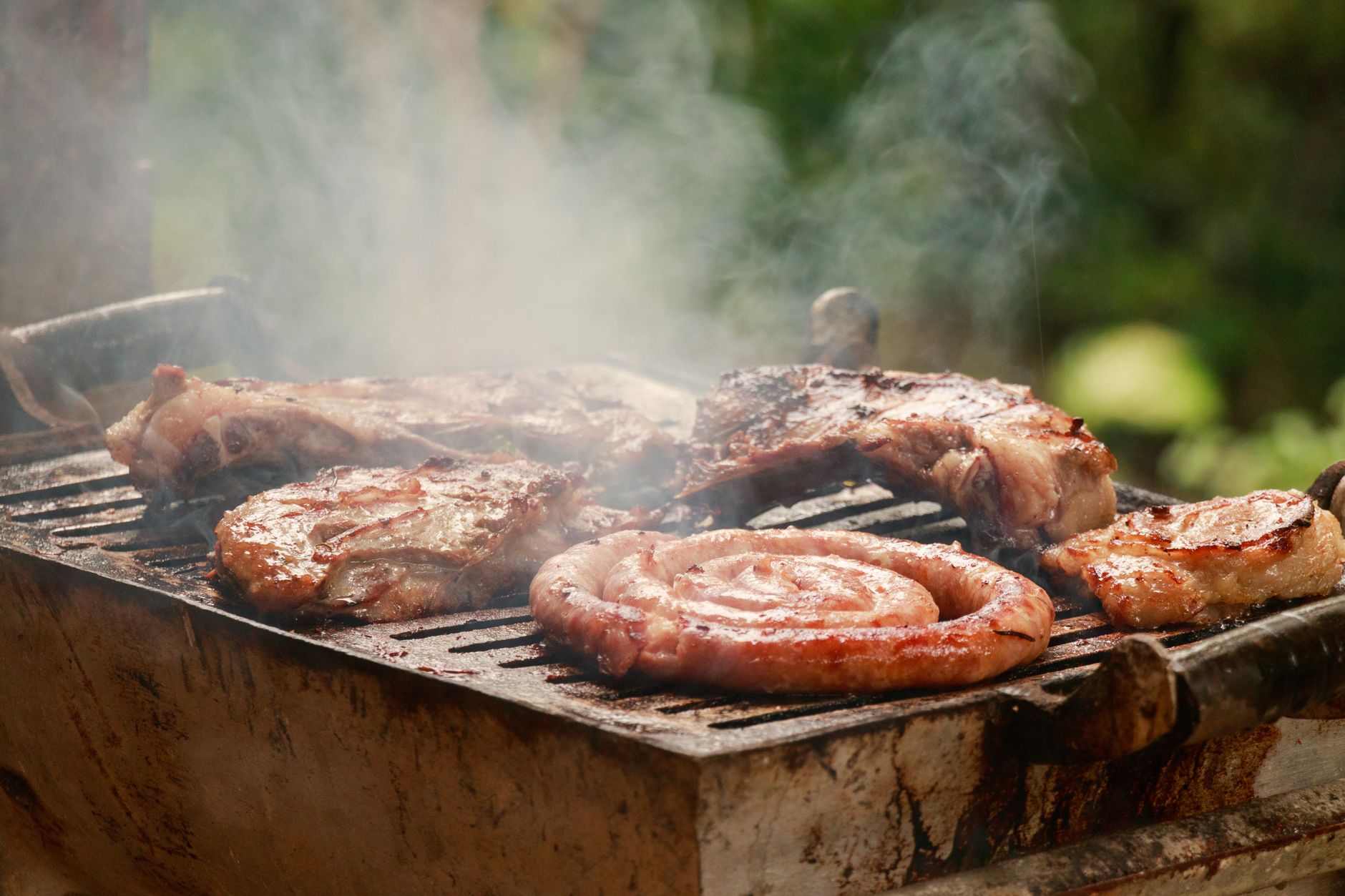
As we head into the 2026 tailgating season, the “smart smoke” revolution has officially taken over backyard BBQ. With Wi-Fi-enabled pellet grills and Bluetooth thermometers now standard equipment rather than luxury upgrades, more pitmasters than ever are discovering the magic of loading up a pork shoulder before bed and waking up to perfectly rendered, bark-encrusted perfection. If you’ve been intimidated by the idea of leaving your smoker unattended while you sleep, you’re not alone—but you’re also missing out on one of the most rewarding techniques in outdoor cooking.
Learning how to smoke pork shoulder overnight isn’t just about convenience; it’s about respecting the cut. Pork shoulder (often labeled Boston butt) contains massive amounts of collagen and intramuscular fat that require 12 to 16 hours of low, consistent heat to transform into that melt-in-your-mouth texture we crave. When you nail the overnight method, you’re not just cooking dinner—you’re mastering time management, fire control, and the art of delayed gratification.
Why Overnight Smoking Beats the Morning Rush
The math behind overnight smoking is simple: pork shoulder needs roughly 1.5 to 2 hours per pound at 225°F to break down properly. For an 8-pound butt, that’s 12 to 16 hours of cook time. If you start at 7 AM, you’re eating at midnight. But when you master how to smoke pork shoulder overnight, you load the meat at 10 PM, sleep through the stall, and pull it off the smoker by noon the next day—just in time for lunch or an early dinner.
Beyond the scheduling advantage, overnight smoking offers superior temperature stability. Ambient temperatures drop after sunset, which actually helps maintain consistent smoker temps, especially on charcoal and offset rigs. There’s also the “rest factor”: meat pulled at noon can rest for 4 to 6 hours in a cooler (faux Cambro) before dinner, allowing juices to redistribute fully. In 2026, we’re seeing competition teams increasingly adopt this “night before” approach for its consistency and stress reduction.
Selecting and Prepping Your Pork Shoulder
Start with a bone-in Boston butt between 7 and 9 pounds. The bone acts as a heat conductor and adds flavor, while this size range fits most consumer smokers without crowding. Look for good marbling—those white flecks of fat throughout the muscle—and a thick fat cap on one side.
The 2026 Trim Strategy: Unlike brisket, pork shoulder doesn’t require aggressive trimming. Remove any loose fat or silver skin, but leave the fat cap intact. Score the fat in a crosshatch pattern, cutting down to the meat. This allows your rub to penetrate and creates more surface area for bark formation.
Binder and Rub: Apply a thin layer of yellow mustard or hot sauce as a binder—don’t worry, the vinegar cooks off completely. For the rub, we’re seeing a shift away from sugar-heavy blends in 2026 due to burning concerns during long cooks. Instead, try a savory-forward mix:
- 2 parts coarse black pepper
- 2 parts kosher salt
- 1 part granulated garlic
- 1 part onion powder
- 1 part smoked paprika
Apply the rub generously, then let the meat sit uncovered in the fridge for 2 to 4 hours before smoking. This dry-brine period enhances bark formation.
The Overnight Setup: Equipment and Temperature
Whether you’re running a pellet grill, kamado, or offset smoker, the key to successful overnight smoking is the “low and slow” sweet spot: 225°F to 250°F. At this range, the pork shoulder will spend enough time in the smoke zone (the first 3 to 4 hours) to develop flavor without drying out.
Pellet Grills: Fill the hopper to capacity—running out of pellets at 3 AM is the most common overnight failure. Use a blend of hickory and apple pellets for balanced smoke. Set your grill to 225°F and place the shoulder fat-side up on the center rack. Insert a leave-in probe thermometer into the thickest part of the meat, avoiding the bone.
Charcoal/Kamado: Use the Minion method or a charcoal snake to ensure 12+ hours of burn time. Add 3 to 4 chunks of smoking wood (oak or cherry work beautifully) buried in the charcoal for sustained smoke.
Water Pan: Always use a water pan. It stabilizes temperatures and adds humidity, which is crucial during those long overnight hours when you won’t be spritzing.
Managing the Stall and the Wrap
Around 3 to 5 hours into the cook—usually between 1 AM and 4 AM—your pork shoulder will hit the stall, where the internal temperature plateaus around 150°F to 165°F as evaporative cooling takes effect. This is where most beginners panic and crank the heat, ruining the texture.
The 2026 Approach: Don’t wrap immediately. Let the shoulder ride through the stall unwrapped for maximum bark development, which can take 4 to 6 hours. If you’re concerned about timing, wrap tightly in butcher paper (not foil) once the internal temp hits 170°F. Butcher paper preserves the bark while speeding up the cook slightly.
If you’re using a pellet grill with a “smoke” setting, avoid the temptation to use it overnight. These settings often produce dirty smoke and temperature swings. Stick to 225°F for clean combustion.
The Finish: When to Pull and How to Rest
Your pork shoulder is done when it reaches an internal temperature of 203°F to 205°F and the probe slides in like it’s going into warm butter. The bone should wiggle freely, and the bark should be dark mahogany, not black.
The Critical Rest: This is non-negotiable. Wrap the shoulder in butcher paper or foil, then wrap it in old towels and place it in a dry cooler. Let it rest for a minimum of 1 hour, but ideally 3 to 4 hours. The internal temperature will actually rise slightly, then slowly decline, allowing the muscle fibers to relax and reabsorb juices. In 2026, we’re seeing more home cooks invest in insulated holding boxes, but a cheap cooler works perfectly.
Troubleshooting Common Overnight Issues
Temperature Spikes: If your smoker creeps above 275°F, don’t panic. Close vents partially (on charcoal) or lower the set temp (on pellet). The shoulder can handle brief spikes, but sustained high heat will dry out the exterior before the interior renders.
Rain or Wind: Modern pellet grills handle weather well, but if you’re using a stick burner, position your smoker with the exhaust away from prevailing winds. A welding blanket can help insulate cheaper metal smokers in cold weather.
The “Done Too Early” Problem: If your shoulder hits 203°F at 8 AM but dinner isn’t until 6 PM, you’re in luck. Pork shoulder holds beautifully. Keep it wrapped in the cooler; it will stay safely above 140°F for 6+ hours and actually improve in texture.
Conclusion
Mastering how to smoke pork shoulder overnight transforms you from a backyard cook into a pitmaster who understands the relationship between time, temperature, and patience. As we move deeper into 2026, the trend toward “smart smoking”—using technology to handle the overnight vigil—makes this method more accessible than ever. Start with an 8-pound butt, trust your thermometer, and resist the urge to peek. When you shred that first fork-tender chunk of pork and see the smoke ring, you’ll understand why the overnight method isn’t just convenient—it’s the secret to competition-quality pulled pork in your own backyard. Fire up that smoker tonight, and wake up to BBQ glory tomorrow.