Master Reverse Searing: The Ultimate Technique for Perfect Steaks
Master Reverse Searing: The Ultimate Technique for Perfect Steaks
If you’ve struggled to achieve that perfect medium-rare center with a gorgeous crust on your grilled steaks, reverse searing is about to change your outdoor cooking game forever. This professional technique has earned its place in steakhouse kitchens and discerning griller’s playbooks alike.
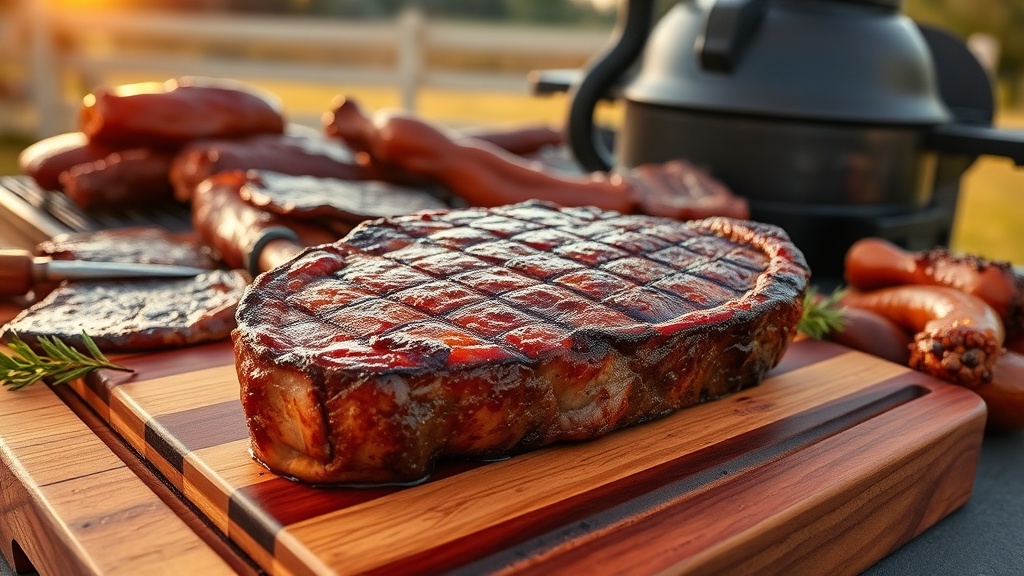
Unlike traditional searing where you blast meat with high heat immediately, reverse searing flips the script—literally. You cook your steak slowly at a low temperature first, then finish with an intense sear. The result? Perfectly cooked meat from edge to edge, topped with a caramelized, flavorful crust that’ll rival any restaurant.
Why Reverse Searing Works Better
The science behind this method is elegant and reliable. Traditional high-heat searing creates a crust quickly, but it also creates a heat gradient that often results in overcooked edges and undercooked centers. With reverse searing, you bypass this problem entirely.
By cooking at low temperatures initially, you achieve even heat distribution throughout the entire steak. The gentle cooking environment allows the meat’s carryover cooking to work in your favor rather than against you. Once your steak reaches your target internal temperature, you’ve eliminated the guessing game—no more cutting into steaks to check doneness.
The final sear serves one purpose: developing that Maillard reaction that creates the complex, savory flavors people crave. Since your steak is already cooked to perfection, the high-heat finish simply adds flavor without risking overcooking.
Essential Equipment and Setup
You’ll need a reliable meat thermometer for this method—we’re not eyeballing doneness here. An instant-read thermometer with a 2-3 second response time is ideal. This tool is non-negotiable for consistent results.
On the grill side, you’ll want to create two temperature zones. If using a gas grill, light only one side and keep it at medium-low heat (around 275-300°F). For charcoal grills, arrange coals to one side of the grill, leaving the opposite side empty for the gentle cooking phase.
A grill thermometer that monitors the cooking chamber temperature is invaluable. Consistently hitting your low-temperature target depends on accurate temperature readings.
The Complete Reverse Searing Process
Preparation Phase
Start with quality beef—reverse searing’s benefits shine brightest with premium cuts. Ribeyes, New York strips, and filet mignons are ideal candidates. Choose steaks that are at least 1.5 inches thick; thinner cuts don’t provide enough time for the low-temperature phase to work effectively.
Remove your steaks from the refrigerator 30-40 minutes before cooking. This critical step allows meat fibers to relax and cook more evenly. Pat them completely dry with paper towels—moisture prevents proper browning during the final sear.
Season generously with salt and freshly ground black pepper just before placing on the grill. Kosher salt works beautifully here because the larger granules don’t dissolve immediately, encouraging better crust formation later.
Low-Temperature Cooking Phase
Place your prepared steaks on the cool side of your grill, away from direct heat. Maintain your grill chamber temperature between 275-300°F. If your grill runs hotter, prop the lid partially open or adjust vents to achieve this temperature.
Now comes the patience part. Insert your thermometer probe into the thickest part of the steak, positioning it horizontally toward the center. For a perfect medium-rare (130-135°F internal temperature), you’re looking at 30-40 minutes depending on steak thickness and your grill’s actual temperature.
Resist the urge to peek constantly. Each time you open the grill, you introduce cooler air and extend cooking time. Trust the process and let the gentle heat work.
The Critical Sear
Once your steaks reach your target internal temperature—remember, they’ll rise 3-5°F more during the sear—it’s time for the show. Move them to the hot side of your grill, or crank all burners to high if using gas. If using charcoal, you can push coals closer or add fresh coals for maximum heat.
Allow the grill to reach 450-500°F. This takes 5-10 minutes. You want it seriously hot—this brief, intense phase (30-45 seconds per side) creates the crust without cooking the interior further.
Sear each side quickly, resisting the urge to move the steaks around. Stillness allows the Maillard reaction to work. You’re not looking for char here, just a gorgeous brown crust.
Temperature Targets and Doneness
Understanding carryover cooking is essential for consistent results:
- Rare: Remove at 125°F (final temp: 128-130°F)
- Medium-Rare: Remove at 130°F (final temp: 133-135°F)
- Medium: Remove at 135°F (final temp: 138-140°F)
- Medium-Well: Remove at 145°F (final temp: 148-150°F)
Most steak enthusiasts prefer medium-rare, which delivers a warm, red center while maintaining the steak’s natural juiciness.
Pro Tips for Consistent Success
Invest in quality meat. Reverse searing showcases the beef’s natural flavor. Prime or high-quality Choice grades demonstrate this technique’s benefits best.
Use a remote thermometer. Wireless models with alerts eliminate guesswork. You can monitor multiple steaks and head inside without worry.
Let meat rest before serving. After the sear, transfer steaks to a warm plate for 5 minutes. This allows juices to redistribute, ensuring the most tender, juicy results.
Season creatively but simply. While salt and pepper are traditional, compound butters with garlic and herbs finish perfectly seared steaks beautifully.
Common Mistakes to Avoid
Don’t skip the resting period before cooking. Cold meat cooks unevenly, extending your low-temperature phase unpredictably.
Avoid cheap meat thermometers with slow response times. Inaccurate temperature readings undermine the entire method.
Don’t sear too long. Your goal is crust development, not additional cooking. Thirty seconds per side is usually sufficient at proper temperatures.
Conclusion
Reverse searing represents a game-changing approach to grilling premium steaks. Yes, it requires patience and proper equipment, but the consistent, restaurant-quality results prove worth the minimal extra effort. Once you’ve experienced perfectly cooked beef with an extraordinary crust, there’s no going back to traditional methods.
Start with one steak to master the technique, paying careful attention to your specific grill’s temperature dynamics. From there, you’ll develop the intuition to adjust timing and heat levels for perfect results every single time.