Mastering the Art of Reverse Sear Steaks for Perfectly Cooked BBQ
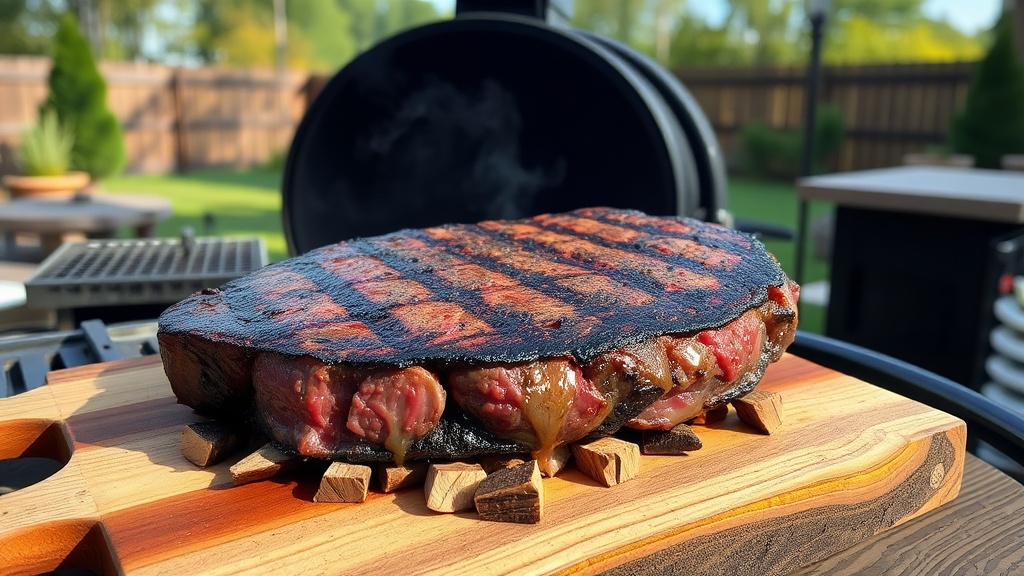
When it comes to BBQ grilling, there’s no denying the allure of a perfectly cooked steak. For many, the ultimate goal is to achieve a tender, juicy interior paired with a crispy, caramelized crust. One technique that has gained significant attention in recent years is the reverse sear method, and for good reason. By flipping the traditional searing process on its head, you can achieve consistently impressive results with your reverse sear steaks. In this article, we’ll delve into the world of reverse sear steaks, exploring the science behind the technique, the benefits it offers, and most importantly, how to master it for your next BBQ grilling session.
Understanding the Reverse Sear Method
The traditional approach to cooking steaks involves searing them first, either in a pan or on the grill, to lock in juices and create that coveted crust. However, this method can often lead to overcooking, especially if you’re aiming for a medium-rare or medium finish. The reverse sear method turns this conventional wisdom on its head. Instead of starting with a high-heat sear, you begin by cooking your steak at a lower temperature, typically between 200°F to 250°F, until it reaches your desired internal temperature. This initial low-heat cooking phase can be done in the oven, on a grill with a lid, or even using a smoker for added depth of flavor. Once your steak is cooked to the right temperature, you then finish it with a high-heat sear, either on the grill or in a hot skillet, to achieve that perfect crust.
Preparing for the Perfect Reverse Sear
Before you start cooking, it’s essential to prepare your steak and your grill or cooking setup. Here are a few tips to ensure you’re set up for success:
- Bring your steak to room temperature before cooking to help it cook more evenly.
- Season your steak liberally with salt and any other seasonings you prefer, but do this just before cooking to avoid drawing out moisture.
- Choose the right cut of meat. While the reverse sear method can work with many cuts, thicker steaks like ribeyes or strip loins are ideal.
- Preheat your grill or cooking vessel to the right temperature. For the initial low-heat phase, you want a consistent temperature, and for the searing phase, you want it as hot as possible.
- Consider using a meat thermometer to ensure your steak reaches a safe internal temperature. For medium-rare, aim for 130°F to 135°F, and for medium, aim for 140°F to 145°F.
Executing the Reverse Sear
The execution of the reverse sear method is relatively straightforward but requires some patience and attention to detail. Here’s a step-by-step guide:
- Place your steak in the oven or on the grill at 200°F to 250°F. Cook until it reaches your desired internal temperature. This can take anywhere from 30 minutes to an hour, depending on the thickness of your steak and the temperature you’re using.
- Once your steak is cooked, remove it from the heat and let it rest for 10 to 15 minutes. This step is crucial as it allows the juices to redistribute, making your steak more tender and flavorful.
- While your steak is resting, preheat your grill or skillet to high heat. If using a grill, make sure the grates are clean and brush them with oil to prevent sticking.
- After your steak has rested, place it on the preheated grill or in the skillet. You should hear a sizzle as it hits the hot surface. Cook for 1 to 3 minutes per side, depending on the heat and the crust you’re aiming for.
- Remove your steak from the heat and let it rest again for a few minutes before slicing and serving.
Tips for Achieving the Perfect Crust
The perfect crust on a reverse sear steak is what sets it apart from other cooking methods. Here are a few tips to help you achieve the best crust possible:
- Use a cast-iron skillet for the searing phase. These skillets retain heat exceptionally well and can achieve a very high temperature, ideal for searing.
- Don’t press down on the steak with your spatula while it’s searing. This can squeeze out juices and prevent the formation of a good crust.
- Don’t overcook the steak during the searing phase. You want to add a crust, not cook the steak further.
- Consider adding a small amount of oil to the preheated skillet before searing the steak. This can help create a crispy crust and add flavor.
In conclusion, mastering the reverse sear method for your BBQ grilling sessions can elevate your steak game significantly. By understanding the science behind the technique, preparing your steak and grill properly, and executing the method with precision, you can achieve perfectly cooked steaks with a tender interior and a crispy, caramelized crust every time. Whether you’re a seasoned grill master or just starting out, the reverse sear method is definitely worth trying. So, the next time you fire up your grill, consider giving this technique a shot. With a little practice, you’ll be grilling like a pro in no time, and your reverse sear steaks will be the envy of every BBQ gathering.