Reverse Sear Steak on Charcoal Grill: The 2026 Guide to Edge-to-Edge Perfection
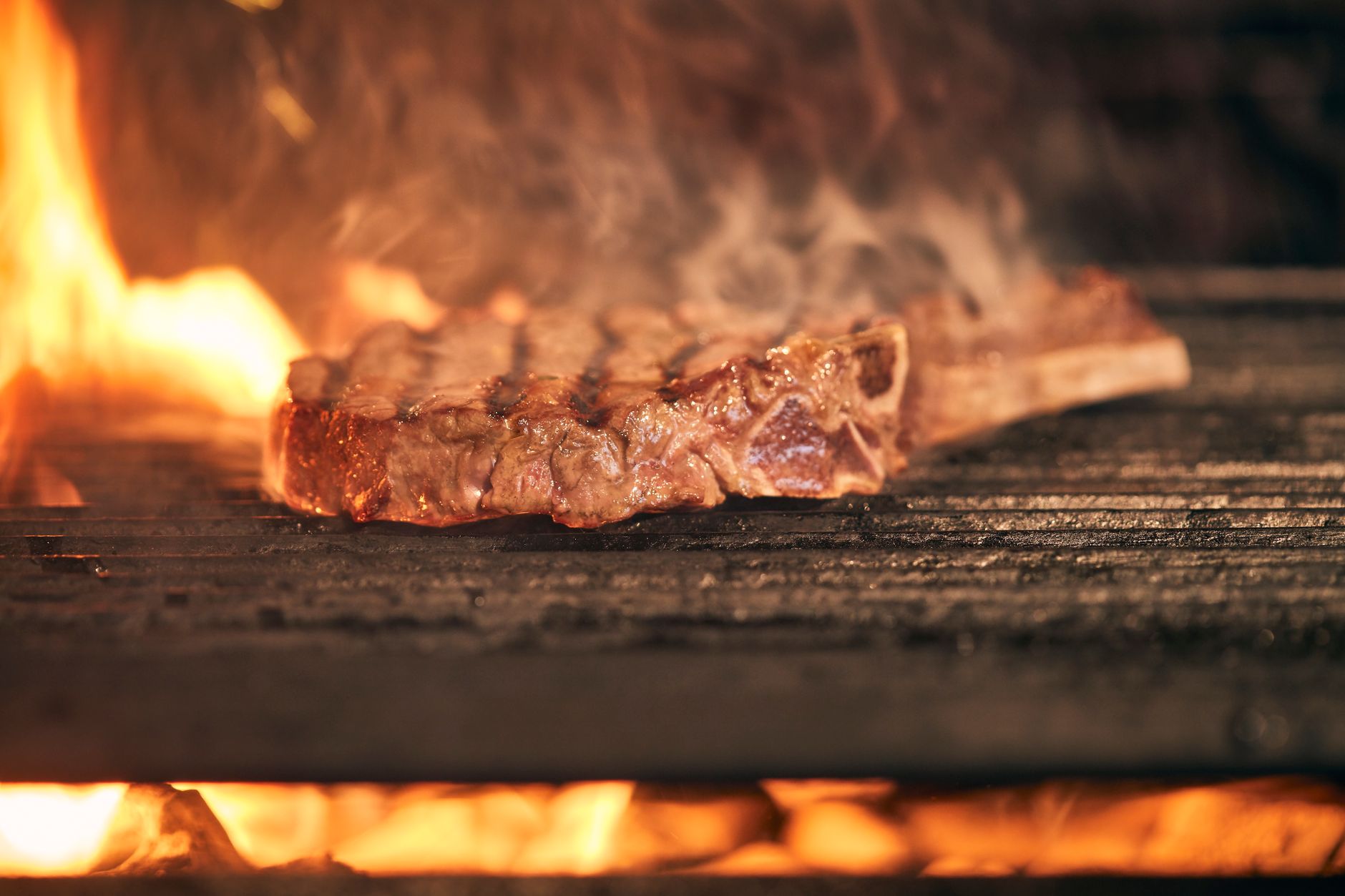
Steak inflation is real in 2026 — ribeyes are pushing $20 a pound at many butcher counters — and backyard cooks are responding by treating every thick-cut steak like a small investment that can’t be wasted. That’s exactly why the reverse sear steak on charcoal grill method has exploded from steakhouse secret to backyard standard this year. Instead of gambling on the traditional sear-first approach (which leaves you a narrow window between perfect and overcooked), reverse searing gives you total control: a gentle, smoky warm-up followed by a violent, crust-building finish over white-hot coals.
If you’ve ever cut into a gorgeous tomahawk only to find a sad gray band of overcooked meat beneath the crust, this guide is your fix. Let’s break down the exact fire setup, temperatures, and timing you need.
Why Reverse Searing Works (And Why Charcoal Does It Best)
The reverse sear flips conventional steak wisdom on its head. Instead of searing first and finishing gently, you cook the steak low and slow until it’s almost done, then blast it with maximum heat at the end.
Here’s the science in plain terms:
- Even cooking: Gentle heat (225–275°F) raises the internal temperature gradually, eliminating that dreaded gray band. You get edge-to-edge pink.
- Drier surface = better crust: The low-temperature phase dries the steak’s exterior, so when it hits the hot coals, the Maillard reaction fires instantly instead of wasting energy evaporating moisture.
- Built-in smoke flavor: On a charcoal grill, the low phase doubles as a light smoke session. Toss a chunk of oak or cherry on the coals and your steak picks up a subtle wood-fired depth that gas grills simply can’t replicate.
Charcoal outperforms gas here for one big reason: radiant heat intensity. A fully lit chimney of lump charcoal or briquettes banked to one side can push surface temps past 700°F — the kind of sear power that steakhouse broilers charge $80 a plate for.
Setting Up Your Two-Zone Charcoal Fire
The entire method hinges on a proper two-zone fire. This takes five minutes and works on any kettle grill, kamado, or barrel cooker.
Here’s the setup:
- Light a full chimney of charcoal (about 70–80 briquettes or the lump equivalent). Wait until the top coals are ashed over — roughly 15 minutes.
- Bank all the coals to one side of the grill. This is your hot zone. The empty side is your indirect, low-heat zone.
- Add one wood chunk (oak, hickory, or cherry) directly on the coals if you want light smoke.
- Set your vents: Bottom vent about halfway open, top vent fully open and positioned over the indirect side to draw heat and smoke across the steak.
- Target grate temperature: 225–250°F on the indirect side. Use a grill thermometer at grate level, not the dome gauge — dome temps can lie by 50°F or more.
Pro tip for 2026: If you picked up one of the smart grill fans or app-connected temp controllers that flooded the market this year, this is their moment to shine. Set the fan to hold 240°F and you can walk away during the entire low phase.
The Low-and-Slow Phase: Patience Pays Off
This is where the magic happens — and where most people get impatient and ruin it.
Season first. Salt your steak at least 45 minutes before it hits the grill (or right before — never in between, when drawn-out moisture sits on the surface). Thick-cut steaks, 1.5 to 2 inches minimum, are non-negotiable for reverse searing. Thin steaks cook through before a crust can form.
Place the steak on the indirect side, insert a leave-in probe thermometer into the thickest part, and close the lid. Now wait.
Pull temperatures to memorize:
- Rare: Pull at 105°F
- Medium-rare: Pull at 115°F
- Medium: Pull at 125°F
Expect this phase to take 25–45 minutes depending on thickness and grill temp. A 2-inch ribeye at 240°F typically needs about 35 minutes to hit 115°F internal. Don’t rush it by cranking the heat — the gradual climb is the whole point.
One move that separates good from great: Flip the steak every 8–10 minutes during the low phase. It promotes even cooking and prevents the side facing the coals from racing ahead.
The Sear: 90 Seconds of Glory
Once your probe hits the target pull temp, remove the steak and tent it loosely with foil. Now it’s time to weaponize your fire.
Open the bottom vent fully. If your coals have burned down, add 10–15 fresh briquettes or a handful of lump and let them catch for 5 minutes. You want aggressive, glowing heat — the kind where you can’t hold your hand 5 inches above the grate for more than one second.
Sear the steak directly over the coals:
- 60–90 seconds per side, flipping once
- For crosshatch marks, rotate 45 degrees halfway through each side
- If flare-ups happen (ribeyes, we’re looking at you), move the steak briefly to the indirect side rather than letting fat fires scorch the crust
Because the interior is already at temperature, you’re only building crust here. The steak will climb another 5–10 degrees during the sear, landing you right at a perfect 130–135°F medium-rare.
Finishing touch: Drop a knob of compound butter or a drizzle of beef tallow on the steak during the last 30 seconds of searing. It bastes the crust and adds a glossy, steakhouse finish.
Resting, Slicing, and Serving
Here’s a bonus of the reverse sear: the rest is shorter. Because the steak cooked gently, the muscle fibers stayed relaxed and juices are already evenly distributed. A 5-minute rest is plenty — versus the 10–15 minutes a sear-first steak demands.
Slice against the grain in thick, confident cuts. If you nailed the method, you’ll see it immediately: a thin, mahogany crust giving way to uninterrupted pink from edge to edge. No gray band. No dry outer layer. Just wall-to-wall perfection.
Quick serving upgrades:
- Flaky finishing salt (Maldon or smoked salt) right before serving
- A board sauce of chimichurri or horseradish cream underneath the slices
- Grilled lemon halves squeezed over the top for brightness
Your Next Steak Night Starts Now
The reverse sear steak on charcoal grill method isn’t a gimmick — it’s the most forgiving, flavor-packed way to cook thick-cut beef over live fire, and it’s why competition cooks and weeknight grillers alike have made it their default in 2026. Once you dial in your two-zone fire and learn your grill’s personality, you’ll hit your target doneness with almost boring consistency.
So grab a thick ribeye or New York strip this weekend, fire up the chimney, and run the play: low and slow to 115°F, then 90 seconds of fury over the coals. Your first edge-to-edge slice will make you wonder why you ever did it any other way. Now get out there and grill.