Reverse Sear Steak on Gas Grill: The 2026 Two-Zone Method for Edge-to-Edge Perfection
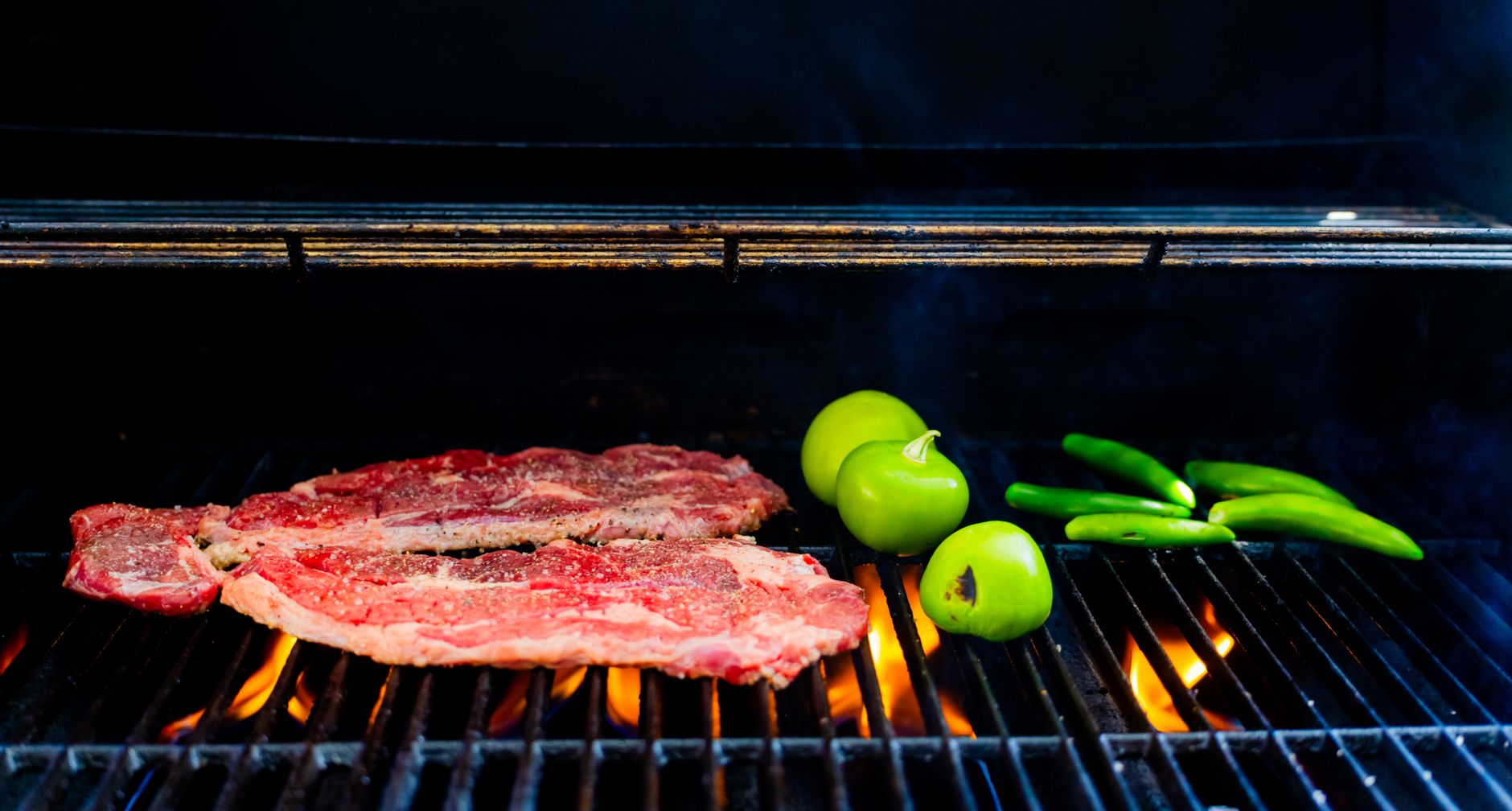
The steakhouse wars of 2026 have a new battleground: your backyard. With beef prices still climbing and “quiet luxury” dining pushing more home cooks to recreate restaurant experiences at home, the reverse sear has exploded from niche technique to mainstream obsession. But here’s what most guides won’t tell you—reverse sear steak on gas grill isn’t just possible, it’s actually superior to charcoal for precision cooking. The instant temperature control and consistent heat zones of modern gas grills eliminate the guesswork that ruins expensive cuts.
If you’ve been intimidated by the reverse sear’s reputation for complexity, or if you’ve tried it only to end up with a gray band of overcooked meat beneath your crust, this guide changes everything. We’re breaking down the exact two-zone method that works on any gas grill, from a basic Weber Spirit to a high-end Napoleon Prestige.
Why Reverse Sear Steak on Gas Grill Beats Traditional Methods in 2026
Traditional high-heat-first grilling creates a temperature gradient disaster. The exterior burns while the interior struggles to reach medium-rare, resulting in that dreaded “bullseye” effect: charred outside, gray ring, then finally pink center. The reverse sear flips this entirely.
By starting low (225-250°F) and finishing with a screaming-hot sear, you achieve:
- Edge-to-edge even doneness — no gray band, just consistent pink from crust to center
- Better crust development — a dry surface sears faster and deeper
- Thicker cuts become foolproof — 1.5-inch and 2-inch steaks cook evenly without burning
- Stress-free timing — the low-heat phase gives you a 15-20 minute window instead of 90 seconds of panic
Gas grills excel here because you can create a precise indirect zone without rearranging coals or managing airflow. Light one burner, leave the others off, and you’ve got a convection oven with smoke capability.
The Exact Setup: Two-Zone Configuration for Gas Grills
Your grill configuration determines success. Here’s the exact setup for reverse sear steak on gas grill that works on three-burner, four-burner, and even compact two-burner models.
For three or four-burner grills:
- Light one outside burner to medium-low (target 225-250°F at grate level)
- Leave the center and opposite burner completely off
- Place a disposable aluminum pan with 1 cup of water on the unlit side to stabilize temperature and add humidity
- Position your steak on the cool side, as far from the lit burner as possible
For two-burner grills:
- Light one burner to low
- Place steak on the unlit side
- Use a smoker box or foil pouch with wood chips on the lit burner for flavor (optional but recommended)
Critical gear:
- Leave-in probe thermometer — the ThermoWorks Smoke or Meater Plus are 2026’s gold standards
- Cast iron skillet or griddle — for the sear phase (more on this below)
- Tongs, not forks — piercing loses juices
Close the lid. Your gas grill is now a precision oven.
The Step-by-Step Method: From Fridge to Perfect Medium-Rare
Step 1: The Dry Brine (Non-Negotiable) Salt your steak 45 minutes to 24 hours before cooking. Use 1 teaspoon of kosher salt per pound. This seasons deeply and dries the surface for better searing. Pat completely dry before grilling.
Step 2: The Low-and-Slow Phase Place your steak on the cool side of the grill. Insert your probe thermometer into the thickest part. Close the lid and cook until the internal temperature reaches:
- 115°F for rare
- 120°F for medium-rare (recommended)
- 130°F for medium
This takes 25-45 minutes depending on thickness. A 1.5-inch ribeye typically hits 120°F in about 30 minutes at 250°F ambient.
Step 3: The Rest (Brief but Critical) Remove the steak and tent loosely with foil. Rest 10 minutes. This allows juices to redistribute and the surface to cool slightly, preventing overcooking during the sear.
Step 4: The Sear — Cast Iron Changes Everything Here’s where most gas grill reverse sears fail. Grates alone can’t generate enough conductive heat for a proper crust. Instead:
- Place a cast iron skillet directly over the lit burner
- Crank to high and let it heat for 5 minutes until smoking
- Add 1 tablespoon of high-smoke-point oil (avocado or grapeseed)
- Sear steak 60-90 seconds per side, pressing gently for full contact
- Add butter, garlic, and thyme for the final 30 seconds, basting continuously
The cast iron method creates a crust that rivals any steakhouse, something impossible on standard grill grates.
Pro Tips and Troubleshooting for Gas Grill Reverse Sear
The Temperature Stall If your steak stalls at 100°F and won’t climb, your grill is running too cool. Increase the lit burner slightly or move the steak closer to the heat source. Every 25°F matters.
Wind and Cold Weather Gas grills lose heat rapidly in wind. Use a windbreak or position your grill perpendicular to prevailing winds. In temperatures below 40°F, expect 25% longer cook times.
The Butter Baste Upgrade For 2026’s trending “steakhouse at home” experience, finish with a compound butter baste. Mix softened butter with roasted garlic, blue cheese, or miso paste. Add during the final minute of searing and spoon over continuously.
Wood Smoke on Gas Soak wood chips for 30 minutes, drain, and wrap in foil with holes poked. Place directly over the lit burner. Hickory or oak complement beef without overwhelming.
Thickness Rules
- Under 1 inch: Skip reverse sear; grill hot and fast
- 1 to 1.5 inches: Reverse sear works but watch carefully
- 1.5 inches and up: Reverse sear is essential
Conclusion: Your New Steak Standard
Mastering reverse sear steak on gas grill transforms your outdoor cooking from guesswork to precision. The two-zone method, combined with a cast iron finish, delivers results that rival $80 steakhouse entrees—at a fraction of the cost and with complete control.
Start with a thick-cut ribeye or New York strip, invest in a reliable leave-in thermometer, and commit to the dry brine. Your first perfectly even, edge-to-edge medium-rare with a crackling, butter-basted crust will make you a convert. Fire up that gas grill and taste why 2026 is the year reverse sear went mainstream.