Smoked Brisket Burnt Ends Recipe: The 2026 Point-Only Method for Maximum Bark
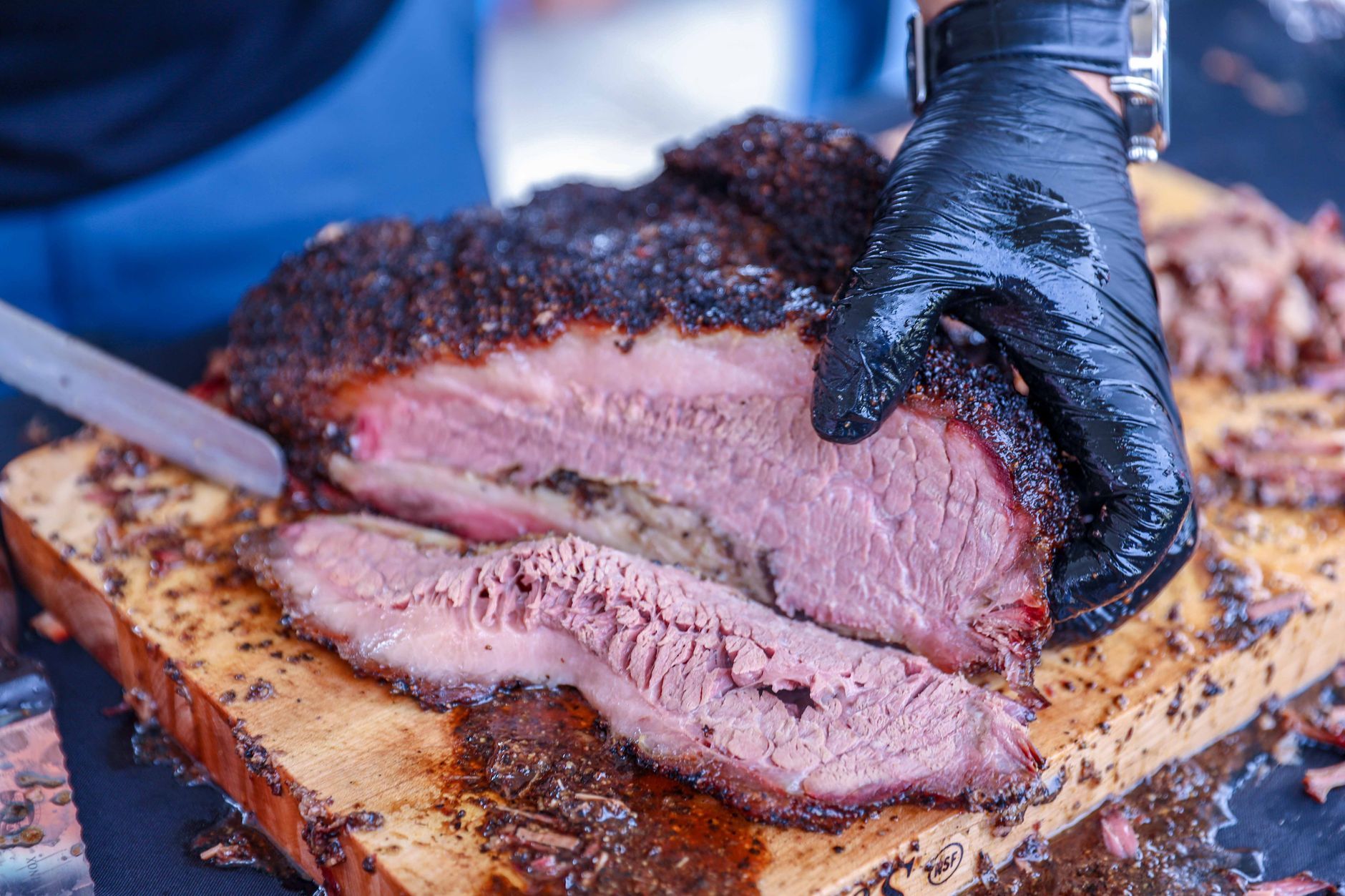
While the rest of the BBQ world is chasing viral “flavor bombs” and fusion experiments this fall, competition pitmasters are quietly returning to a purist approach that’s dominating the 2026 circuit: the point-only burn. If you’ve been treating burnt ends as an afterthought—cubing up leftovers from a full packer smoke—you’re missing out on the intentional caramelization that’s made this smoked brisket burnt ends recipe the most requested dish at tailgates this season.
The shift makes sense. With beef prices stabilizing but premium packer briskets still commanding $4-6 per pound, smart cooks are realizing that buying just the point (the fatty, marbled “second cut”) delivers more burnt ends per dollar while eliminating the dry flat entirely. This method isn’t just economical; it’s a texture game-changer that produces those coveted “meat marshmallows” with a crust-to-interior ratio that whole-brisket approaches can’t match.
Why the Point-Only Method Is Dominating 2026
Traditional burnt ends were born from thrift—Kansas City pitmasters cubing the dried-out point end of a smoked brisket to salvage it. But the 2026 evolution flips the script: start with the point specifically for burnt ends, and you control the variables from minute one.
The point contains significantly more intramuscular fat than the flat, with a loose grain that absorbs smoke like a sponge. When you smoke it alone, you can push the bark development further without worrying about drying out leaner sections. Current competition trends show teams separating points at 165°F internal, then returning them to smokers for a second cook specifically tailored for burnt ends—essentially treating the cut like a pork belly with a beefy backbone.
The economics are compelling: A 4-pound point yields roughly 3 pounds of finished burnt ends, whereas a 12-pound packer might give you only 2 pounds of usable point meat after trimming. You’re paying for fat you’ll render away and flat meat you don’t need for this application.
Selecting and Prepping Your Brisket Point
Look for a point with at least ¼-inch of fat cap—thick enough to protect the meat during the long cook, but not so thick that it won’t render. The 2026 standard calls for “Choice” grade minimum, though “Prime” or American Wagyu points have become more accessible this year as specialty butchers respond to the burnt end boom.
Trimming protocol:
- Remove the hard fat deposits between the muscle groups, but leave the soft, white fat cap intact
- Square off the edges to create uniform cubes later (this prevents small pieces from overcooking)
- Pat completely dry with paper towels—surface moisture is the enemy of bark formation
The 2026 rub ratio: Skip the sugary rubs trending on social media. Burnt ends need a savory base that can withstand the final glaze without becoming cloying. Mix 2 parts coarse black pepper, 1 part kosher salt, 1 part garlic powder, and ½ part smoked paprika. Apply liberally 45 minutes before smoking to create a pellicle—that tacky surface layer that grabs smoke.
The Double-Smoke Technique
This is where most home cooks fail: they treat burnt ends as a single-cook item. The smoked brisket burnt ends recipe that wins competitions uses two distinct smoking phases with different wood profiles.
Phase One: The Bark Builder (250°F) Smoke the whole point at 250°F using post oak or hickory—strong woods that can penetrate the thick fat. You’re looking for an internal temperature of 165°F and a bark that’s set but not rock-hard. This typically takes 4-5 hours depending on thickness. The stall will hit around 150°F; resist the urge to wrap. The 2026 approach embraces the stall for maximum smoke absorption, only wrapping if the bark threatens to burn.
Phase Two: The Render and Set (275°F) Once you hit 165°F, remove the point and cube it into 1.5-inch pieces—large enough to stay juicy, small enough to maximize surface area. Place the cubes in a disposable aluminum pan (the 2026 pitmaster secret: add ¼ cup of rendered beef tallow to the pan before adding meat). Increase your smoker temperature to 275°F and return the pan, uncovered, for 90 minutes. This renders the remaining intramuscular fat while firming up the exterior.
Wood selection for phase two: Switch to a fruit wood like cherry or apple. The initial heavy smoke has done its job; now you want subtle sweetness that complements the upcoming glaze without overwhelming the beef.
The Glaze and Caramelization Finish
The final 30 minutes transform good burnt ends into legendary ones. Remove the pan when the cubes probe like butter—around 200-205°F internal in the thickest pieces. Drain off half the rendered fat (save it for roasting potatoes later).
The 2026 glaze formula:
- ½ cup of your favorite Kansas City-style sauce (tomato-based, molasses-heavy)
- 2 tablespoons honey or hot honey for the trending sweet-heat profile
- 1 tablespoon apple cider vinegar to cut the richness
- 1 teaspoon of the original rub to tie flavors together
Toss the cubes gently to coat, then return the pan to the smoker for exactly 30 minutes. This sets the glaze into a sticky, lacquered shell. For the final 5 minutes, move the pan directly over the coals or crank your pellet grill to 400°F to create crispy edges—watch closely to prevent burning.
Serving and Storage Strategies
Burnt ends wait for no one. Serve them immediately on a warmed platter, toothpicks optional but recommended for the full Kansas City experience. The 2026 presentation trend skips the white bread base and instead serves them over crispy fried onions or alongside pickled red onions to cut the richness.
If you must store them: Refrigerate within two hours, submerged in their own juices. Reheat in a 275°F oven with a splash of beef broth—never microwave, which turns the fat rubbery. They’ll keep for 4 days refrigerated or 3 months frozen, though the texture suffers slightly upon thawing.
Pro tip: Save the rendered fat from the bottom of the pan. Solidified and refrigerated, it’s liquid gold for sautéing vegetables or making the best fried eggs of your life.
Mastering this smoked brisket burnt ends recipe requires patience, but the point-only method streamlines the process significantly compared to traditional whole-packer approaches. You’re looking at roughly 7 hours from fire to plate—half the time of smoking a full brisket—with a yield that’s 100% edible luxury. Fire up your smoker this weekend; the 2026 burnt end renaissance isn’t waiting.