Smoking Brisket Flat vs Point: The 2026 Butcher's Guide to Splitting Your Packer
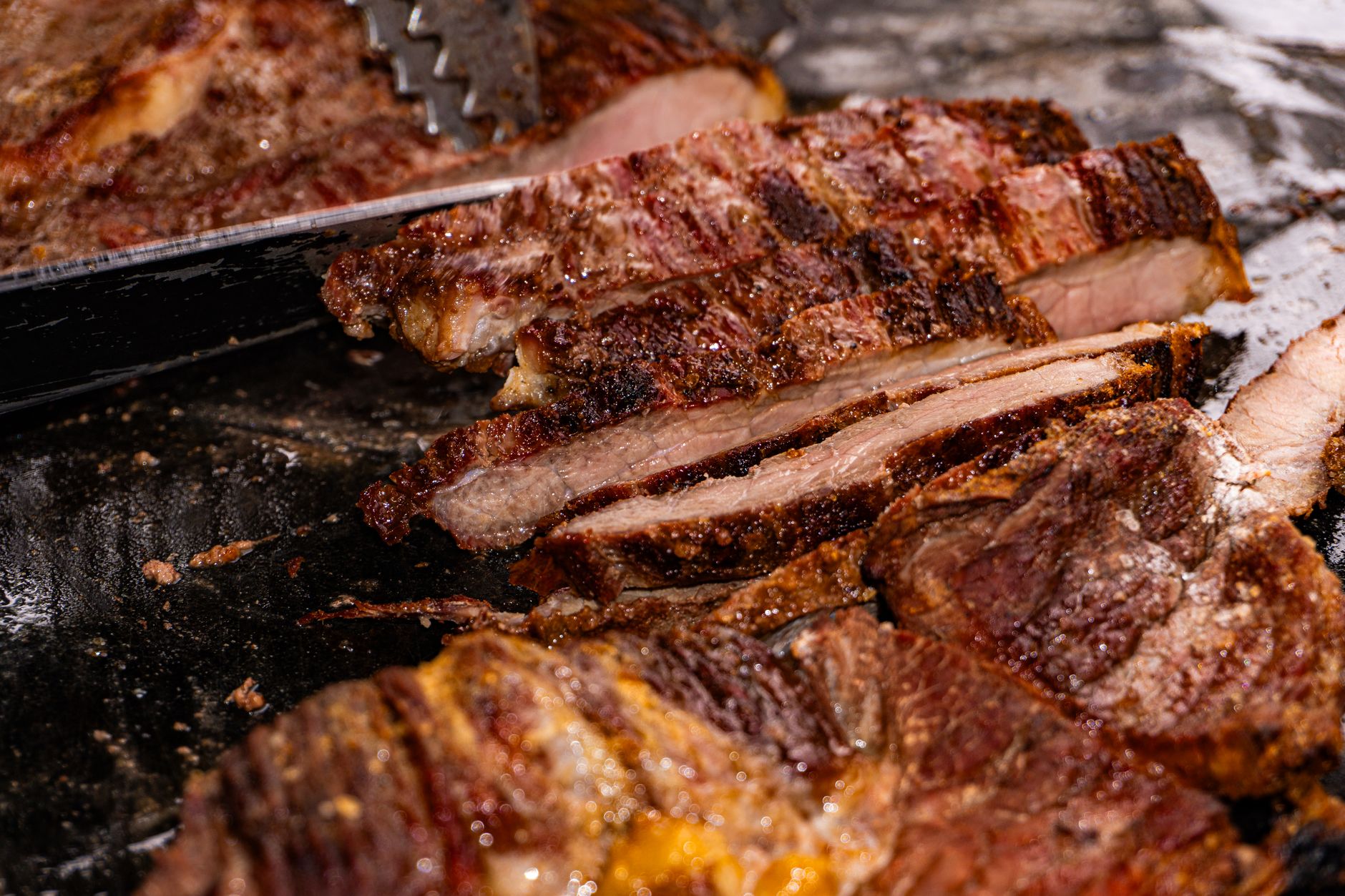
With beef prices hitting record highs this October and the “whole animal” butchery movement dominating BBQ TikTok, pitmasters are finally treating the brisket as two distinct muscles rather than one monolithic hunk of meat. If you’ve ever struggled with dry, crumbly slices or burnt ends that turned to mush, understanding smoking brisket flat vs point is the single fastest way to level up your barbecue game.
The full packer brisket is actually two separate muscles—the pectoralis major (flat) and pectoralis minor (point)—connected by a thick seam of fat. They cook at different rates, absorb smoke differently, and demand different finishing techniques. In 2026, the smart money isn’t on smoking them together and hoping for the best; it’s on strategic separation.
Anatomy Breakdown: What You’re Actually Smoking
Before you fire up the offset, you need to identify which end is which. The flat (also called the “first cut”) is the lean, rectangular muscle that makes up about 60% of the packer’s weight. It’s what you see in those perfect, uniform slices at Texas barbecue joints—tight grain, minimal intramuscular fat, and a tendency to dry out if you look at it wrong.
The point (or “deckle”) is the fatty, triangular knob that sits on top. It’s heavily marbled with intramuscular fat and collagen, making it nearly impossible to overcook. This is where burnt ends come from, and it’s why competition cooks often refer to it as “meat candy.”
Here’s the critical difference: the flat contains about 12-15% fat by weight, while the point pushes 25-30%. That fat differential changes everything about your thermal approach.
Temperature and Timing: The Split Strategy
When smoking brisket flat vs point together, you’re forced to compromise. The flat hits its ideal slicing temperature (195-203°F) about 90 minutes before the point reaches its sweet spot (205-210°F). In 2026, the trend among serious home cooks is the “separate and conquer” method.
For the flat:
- Target internal temp: 198°F for slicing
- Wrap in butcher paper at 165°F to preserve the bark without steaming
- Expect 6-7 hours total cook time at 250°F
For the point:
- Target internal temp: 208°F for burnt ends or pulled beef
- Wrap in foil with a splash of beef tallow at 175°F to accelerate rendering
- Expect 8-9 hours total cook time at 250°F
By separating them before the cook, you can pull the flat when it probes like butter and let the point ride until the fat fully renders. Use a sharp boning knife to follow the natural fat seam—it’s easier than filleting a fish once you see the line.
Flavor and Texture Profiles: Choosing Your Fighter
The flat delivers that classic barbecue experience: beefy, clean smoke penetration, and a texture that holds together when sliced pencil-thick. It’s ideal for sandwiches where you want structural integrity. However, it has zero margin for error. Overshoot by 5°F and you’re serving beef jerky.
The point is forgiving and decadent. The high collagen content breaks down into gelatin at 160°F, creating that unctuous, sticky mouthfeel that defines great burnt ends. Because of the fat cap, it absorbs smoke differently—expect a heavier bark and more pronounced smoke ring, especially if you’re running a clean fire with post oak or cherry wood.
Pro tip for 2026: If you’re cooking for a crowd with mixed preferences, smoke the flat for slicing and cube the point for burnt ends. You’ll need roughly 1.5 pounds of raw point to yield enough cubed burnt ends for four people after the second cook.
The 2026 Method: Hot and Fast Splits
While traditional low-and-slow (225°F) still works, this year’s competition circuit has embraced “hot and fast” splits—running pits at 275-300°F to render the point’s fat more aggressively while protecting the flat with a water pan.
- Separate the muscles completely, removing the thick fat seam entirely
- Season differently: Heavy salt and pepper on the flat; add brown sugar and espresso rub to the point to balance the richness
- Stagger your start times: Put the point on 2 hours before the flat if cooking simultaneously
- Rest separately: The flat needs 45 minutes wrapped in a cooler; the point benefits from 90 minutes to fully set the gelatin
This approach cuts total cook time by 3 hours and eliminates the “flat is done but point is tough” dilemma that plagues whole packer cooks.
Common Mistakes When Smoking Brisket Flat vs Point
Treating them as one piece: The number one error is probing only the thickest part of the flat and assuming the point is ready. Always temp both muscles independently.
Trimming too aggressively: The point needs its fat cap for protection during long cooks. Trim the flat to 1/4 inch, but leave at least 1/2 inch on the point.
Slicing the point against the grain: Unlike the flat, the point has grain running in two directions. For burnt ends, cube it. For sandwiches, slice against the dominant grain but expect a looser texture.
Rushing the rest: The flat’s tight muscle fibers need time to reabsorb juices. Cutting early causes the dreaded “juice flood” on your cutting board, leaving you with dry meat despite perfect temps.
Conclusion
Mastering smoking brisket flat vs point isn’t just about anatomy—it’s about respecting the unique properties of each muscle. In 2026, with beef costs premium and time precious, splitting your packer gives you control, consistency, and two distinct eating experiences from one purchase. Whether you’re after competition-worthy slices or sticky burnt ends that snap when you bite them, treat the flat and point as the individuals they are. Your guests (and your wallet) will thank you. Fire up the smoker, grab your boning knife, and stop compromising on texture.