South Carolina BBQ Fire Pit Regulations: The 2026 Home Cook's Compliance Checklist
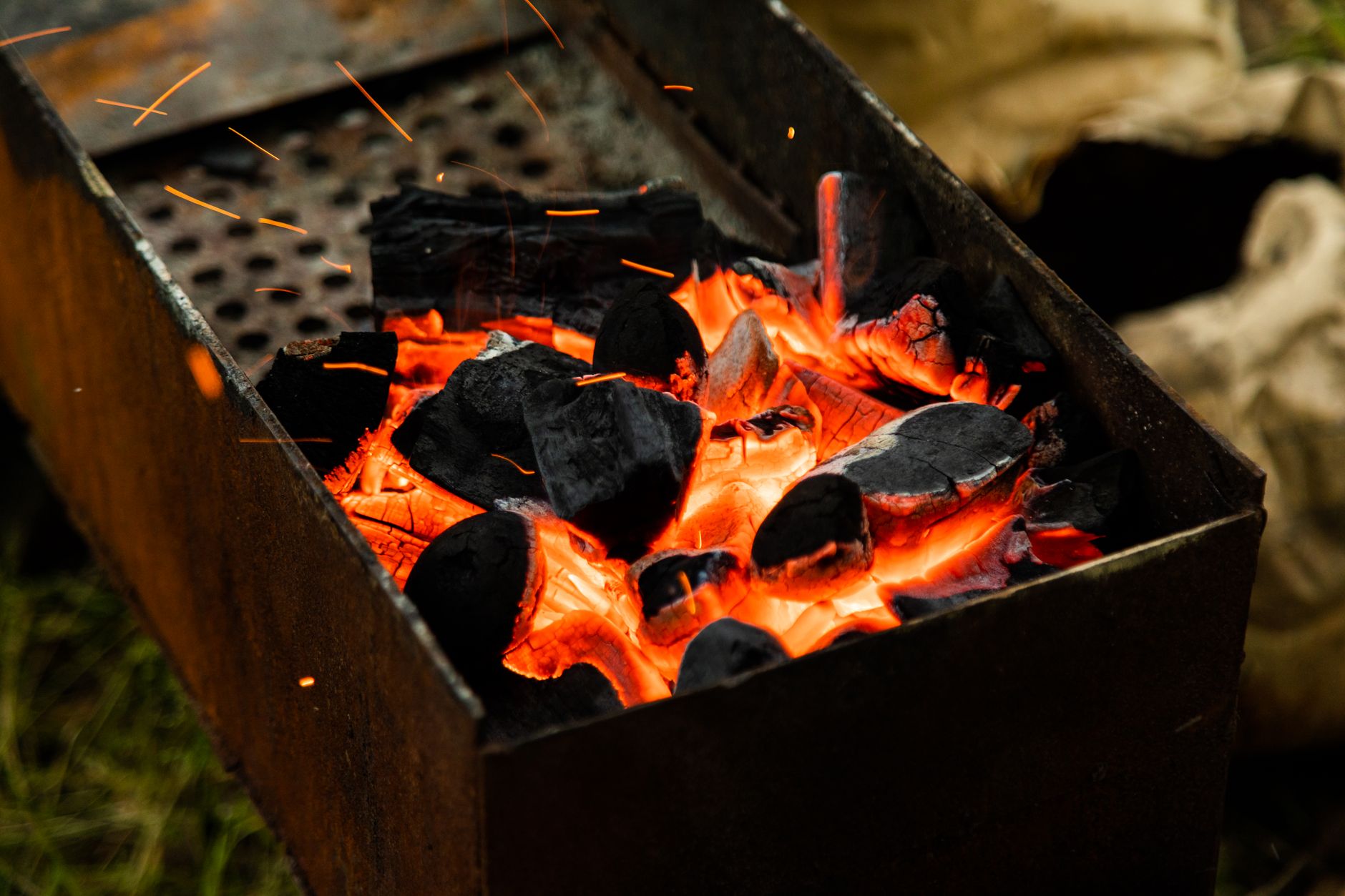
The smoke-and-mirror era of backyard cooking is officially over. While pitmasters are obsessing over 5 BBQ recipes that are perfectly on trend for 2026—think gochujang-glazed ribs and smoked watermelon “steaks”—a quieter revolution is happening on the regulatory side. South Carolina’s fire authorities are tightening enforcement on residential fire pits, and the home cook who doesn’t know the rules risks more than a ruined dinner.
If you’re planning to dig a pit, ring some cinder blocks, or even fire up a manufactured kettle for authentic South Carolina whole-hog BBQ, you need to understand South Carolina BBQ fire pit regulations before you strike the first match. This isn’t bureaucratic noise. It’s the difference between a legendary cookout and a $500 fine—or worse, a visit from the fire marshal while your guests are still holding paper plates.
Why South Carolina’s Fire Pit Rules Trip Up Even Experienced Grillers
Here’s what most people get wrong: there is no single “South Carolina fire pit law.” The state operates on a layered system where DHEC (Department of Health and Environmental Control), the Forestry Commission, and your individual county all have overlapping—and sometimes conflicting—authority.
Statewide, the South Carolina Forestry Commission distinguishes between “open burning” and “recreational fires.” Open burning for land clearing or debris disposal almost always requires notification and often a permit. Recreational fires for cooking? That’s where BBQ enthusiasts live, but the exemption isn’t automatic.
The critical distinction: your fire must be “reasonably necessary” for cooking or warmth, not just ambiance. A fire pit roaring at 11 PM with no food in sight? That’s not a cookout in the eyes of enforcement. A pit with a whole hog, shoulders, or even those trendy 2026 viral sides slowly smoking? You’re on firmer ground.
The County-by-County Reality Check (2026 Updates)
Charleston County requires recreational fires to stay under 3 feet in diameter and 2 feet in height, with a charged water source or extinguisher within 10 feet. Greenville County adopted stricter setback rules in early 2026: 25 feet from any structure, up from 15 feet. Horry County, home to endless summer cookouts, still allows beach fires with permits but has cracked down on unpermitted commercial BBQ operations masquerading as “private parties.”
| County | Key Restriction | Permit Required? |
|---|---|---|
| Charleston | 3 ft max diameter, 2 ft max height | No (recreational) |
| Greenville | 25 ft structure setback | No (recreational) |
| Horry | Beach fires require permit | Yes (beach only) |
| Richland | Burn ban automatic during drought | N/A |
| Lexington | No burning after 11 PM | No |
Pro tip: Call your county’s environmental services department the week of your cook. Rules change with drought conditions, and 2026’s unpredictable rainfall patterns have made static “what I read online” advice dangerously outdated.
Burn Bans: The Invisible Hand That Ruins Cookout Plans
South Carolina’s drought response system operates on four levels. At Stage 1, you’re probably fine. By Stage 3, all open burning is prohibited—including recreational fires in many jurisdictions. The Forestry Commission updates this daily during active drought, and local news rarely covers Stage 2 declarations with enough urgency.
Here’s the 2026 wrinkle: climate-driven “flash droughts” are hitting South Carolina harder and faster. A perfectly legal pit setup on Saturday morning can become a criminal violation by Saturday afternoon if conditions shift. The pitmaster who checks once and assumes? That’s the pitmaster who gets cited.
Your actionable protocol:
- Check the SC Forestry Commission burn ban map at 8 AM on cook day
- Screenshot the status for your county
- Have a propane backup plan (not subject to burn bans) for finishing meats
The “Whole Hog” Exception and What It Actually Means
South Carolina’s legendary whole-hog BBQ tradition carries cultural weight, and some counties offer limited exemptions for “traditional cooking methods.” But this isn’t a free pass to dig a 6-foot trench anywhere you want.
Lexington County’s 2025 amendment specifically recognizes “pit cooking for cultural or ceremonial events” but requires:
- Advance notification to fire services 48 hours minimum
- A designated “fire watch” person who isn’t drinking
- Burial or complete extinguishment by midnight
The “I didn’t know” defense fails here because these exemptions are opt-in, not default. You must actively notify authorities. The pitmaster who assumes tradition equals permission is making an expensive mistake.
Equipment-Specific Rules That Actually Matter
Your fire pit’s construction matters legally. Manufactured metal fire pits with screens? Generally exempt from “open burning” classification in most SC counties. Homemade cinder block rings? Often treated as open burning unless actively cooking.
Underground pits—the holy grail of traditional SC whole-hog—trigger additional scrutiny:
- DHEC may classify deep pits as “earth disturbance” requiring erosion control measures
- Coastal counties (Beaufort, Colleton) face extra wetland protection overlays
- Post-cook burial of coals can violate waste disposal regulations
The 2026 smart move: Document your pit construction with photos showing cooking-purpose design. A grill grate, meat hooks, or even a thermometer probe visible in photos establishes “recreational cooking” intent if questioned.
Insurance and Liability: The Conversation Nobody Wants to Have
Here’s the angle no other BBQ site is covering: your homeowner’s policy probably has fire pit exclusions you’ve never read.
Standard South Carolina HO-3 policies cover “accidental fire” but increasingly exclude “fire pits exceeding local code” or “unpermitted open burning.” A neighbor’s damaged fence from embers, a guest’s burn injury, smoke damage to adjacent property—these scenarios get ugly fast when your pit violated a county setback rule.
Three pre-cook insurance steps:
- Call your agent. Ask specifically: “Does my policy cover recreational fire pit cooking?”
- Request written confirmation of coverage for your pit type and location
- For commercial-adjacent cooking (catering, pop-ups, large “private” parties), verify you don’t need event liability coverage
The 2026 trend of “underground” supper clubs—unpermitted BBQ sales from residential pits—is creating a litigation goldmine. Don’t be the test case.
Your Pre-Cook Compliance Checklist
Print this. Laminate it. Check it twice.
- County environmental services: confirmed recreational fire rules (current week)
- Forestry Commission: no active burn ban for your county
- Setback measured: structure distance per county code (not “looks about right”)
- Water source: hose, extinguisher, or sand bucket within 10 feet
- Fire watch assigned: sober, present, aware
- Size limits: diameter and height within code
- Insurance: coverage confirmed for your specific setup
- Notification filed: if county requires advance notice for traditional methods
- Propane backup: ready if conditions shift mid-cook
- Extinguishment plan: complete out, not “let it die down”
Conclusion: Cook Bold, But Cook Legal
South Carolina’s BBQ heritage runs deep—whole hog in the Midlands, mustard sauce in the Upstate, vinegar-pepper on the coast. That heritage deserves protection, and part of protecting it is proving that pit cooking can coexist with modern fire safety.
South Carolina BBQ fire pit regulations aren’t designed to kill tradition. They’re designed to prevent the wildfire that ends tradition for everyone. The pitmaster who knows the rules, checks them actively, and builds compliance into the cookday workflow? That’s the pitmaster who keeps cooking decade after decade.
As you plan your next whole-hog cook, that viral 2026 recipe experiment, or just a Tuesday night shoulder smoke, make the regulatory check as automatic as checking your thermometer. The best BBQ in South Carolina comes from pits that are still legal to fire up.